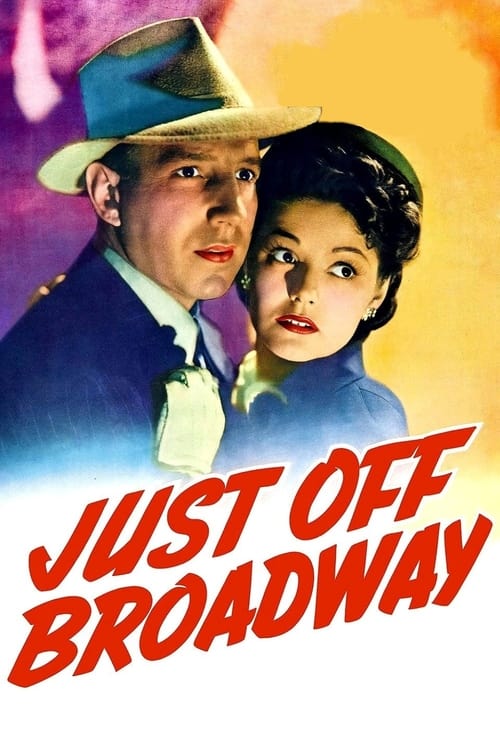
Just Off Broadway
1942
No user ratings available yet
Representation score: 1.4 out of 10
Representation Score
Minimal
1942
NRDirector
Herbert I. Leeds
Runtime
61 minutes
Average Rating
No ratings yetNew Showbiz Analysis
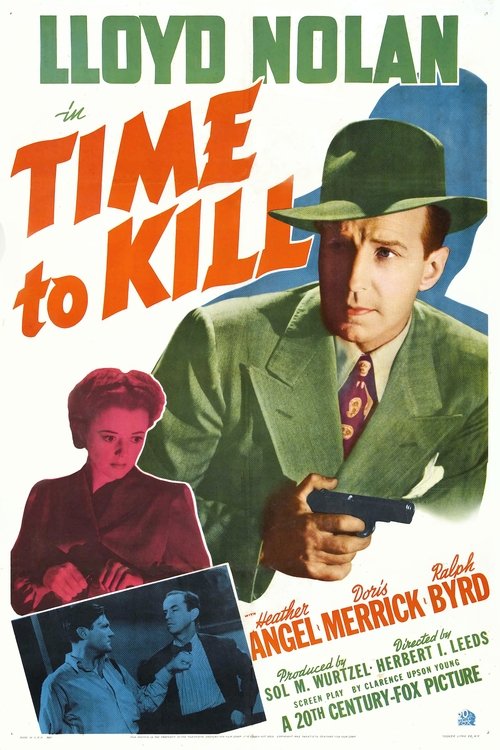
Time to Kill is a traditional mystery procedural that follows the established hardboiled detective clichés of the early 1940s. The narrative structure prioritizes individual heroism and conventional social structures through the character of Michael Shayne. Since the film adheres to the standardized genre conventions of the era, it lacks complexity in reflecting multiple aspects of identity. The focus remains on a singular protagonist solving a local crime, reinforcing the social stability of the period rather than disrupting established norms.
Category Breakdown
The film adheres to the standard social norms of 1942 cinema and does not include any non-straight or non-cisgender identities or narratives that challenge these norms.
The story focuses on male leadership and traditional masculine roles typical of early 1940s mysteries. It emphasizes conventional gender roles without challenging social hierarchies.
The film reflects the homogeneous casting standards of the early 1940s studio system. There is no indication of significant non-white representation or actors playing roles traditionally expected to be played by white actors.
This standard genre piece upholds traditional Western ideas of law and order. It lacks a critical look at social institutions and focuses instead on individual detective work within established norms.
There is no information available regarding the inclusion or portrayal of characters with physical or neurodevelopmental disabilities.
Present on Screen
Limited or Absent
Official Synopsis
Lloyd Nolan is back as detective Michael Shayne who's in search of a stolen coin.
1942
1946

1948
1940
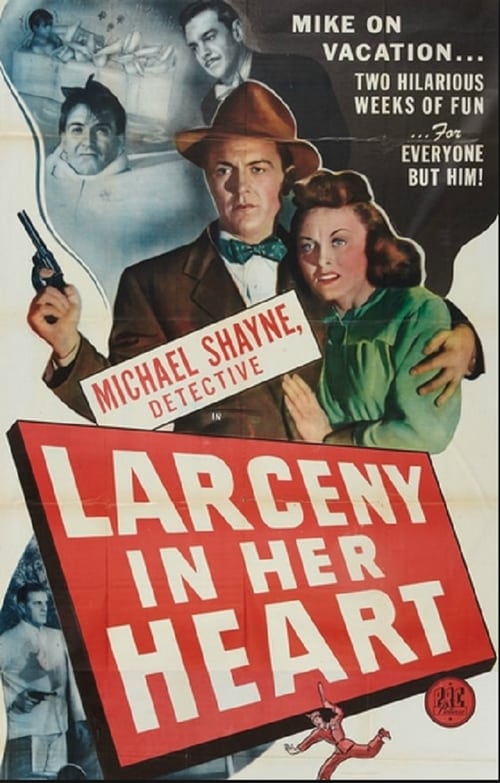
1946
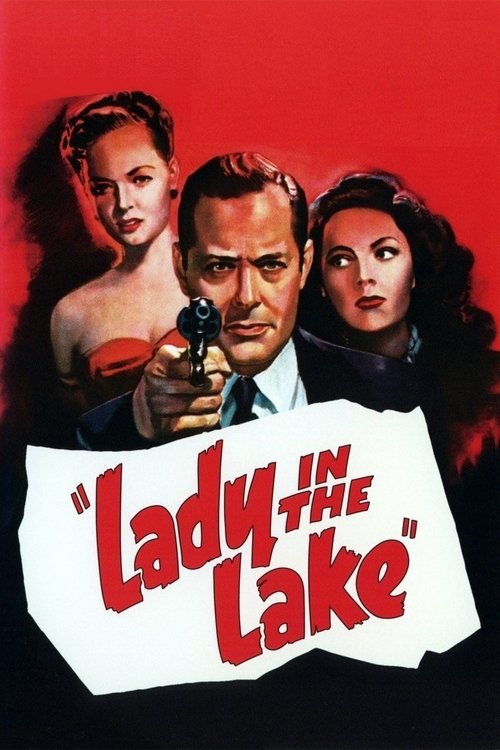
1946
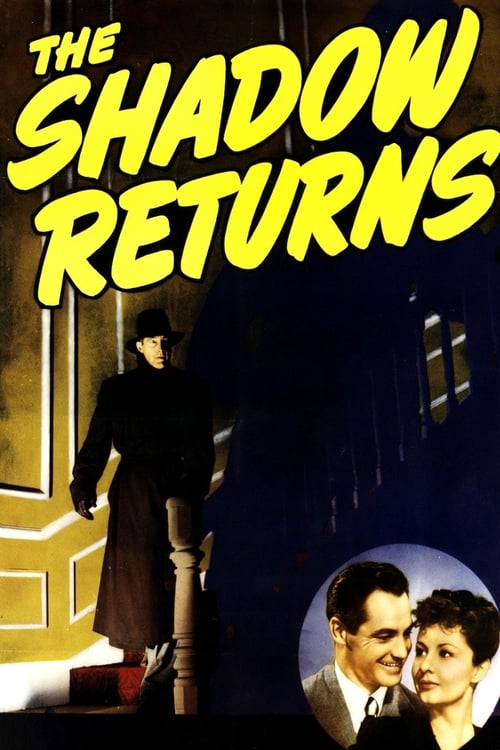
1946
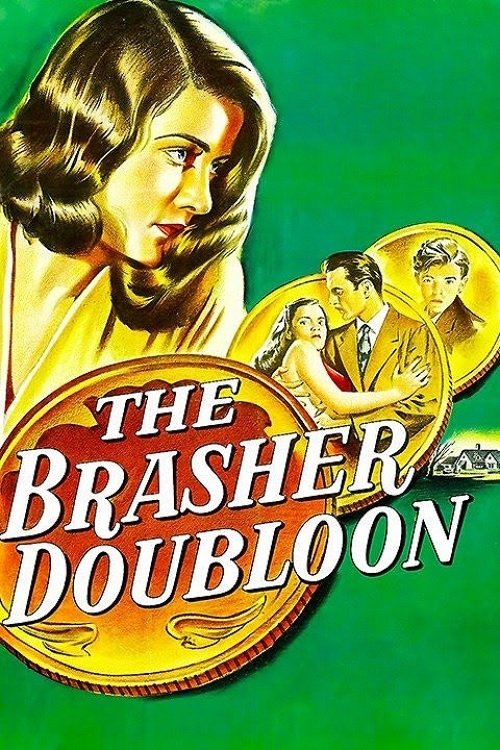
1947
No reviews yet. Be the first to share your thoughts on this movie!
Use the rating form above to leave a star rating and optional review.