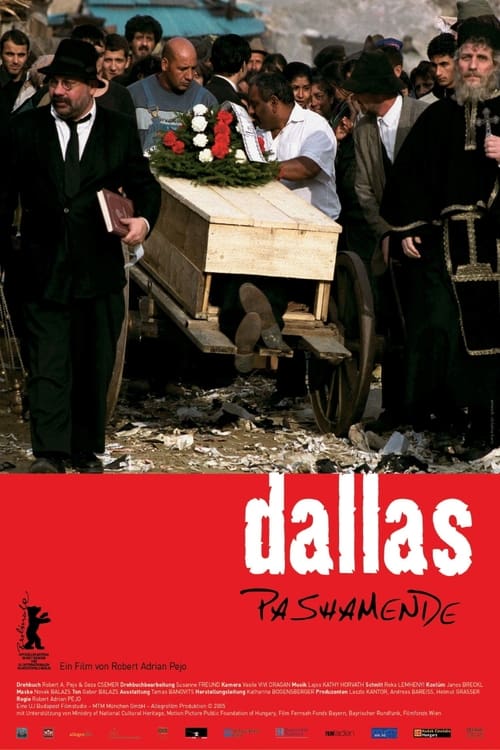
Dallas Pashamende
2005
No user ratings available yet
Representation score: 2.9 out of 10
Representation Score
Excellent
2008
Director
Sherad Anthony Sanchez
Runtime
216 minutes
Average Rating
No ratings yetNew Showbiz Analysis
Sherad Anthony Sanchez creates a gritty work of social realism that prioritizes the experiences of those living on the fringes of society. By centering the narrative on a Philippine slum, the film successfully shifts the cinematic gaze away from Anglo-centric perspectives toward a localized, non-Western reality. The film excels in its refusal to romanticize poverty, instead highlighting the systemic pressures exerted on its young protagonists. This approach provides a profound look at underrepresented existence and the influence of violence on development. However, the film lacks visible markers for specific identity groups. While it disrupts traditional gender archetypes through its portrayal of vulnerable masculinity, it offers little explicit representation regarding LGBTQ+ identities or specific disability narratives.
Category Breakdown
The film focuses mainly on socio-economic conditions and does not include explicit LGBTQ+ characters. There is no direct mention of LGBTQ+ identities in the story.
The film portrays masculinity through themes of survival and vulnerability, rather than traditional provider roles. It centers on the experiences of boys growing up in poverty.
The film offers a high degree of representation by focusing on a localized Philippine perspective. It avoids Western stereotypes by emphasizing the ability to act of characters in a specific cultural context.
The story critiques systemic structures and the impact of poverty on communities. It uses the slum setting to deconstruct idealized social or family structures.
While specific details are unconfirmed, the film's focus on violence suggests potential themes of trauma. However, there is no explicit data regarding physical or neurodivergent disabilities.
Present on Screen
Limited or Absent
Official Synopsis
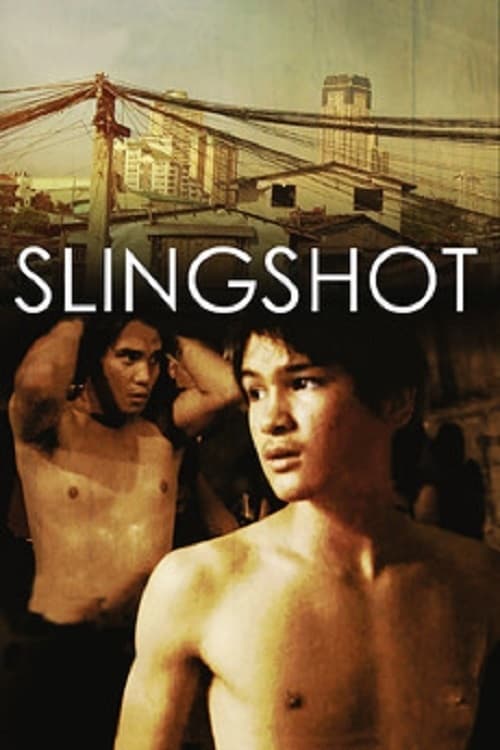
An examination of poverty and violence and the influence it has on two boys who live in a slum.
2005
1970

1986

1980
2009

2012
2008

1979
No reviews yet. Be the first to share your thoughts on this movie!
Use the rating form above to leave a star rating and optional review.