
Lust
1979
No user ratings available yet
Representation score: 4.5 out of 10
Representation Score
Limited
1978
Director
Carlos Hugo Christensen
Runtime
90 minutes
Average Rating
No ratings yetNew Showbiz Analysis
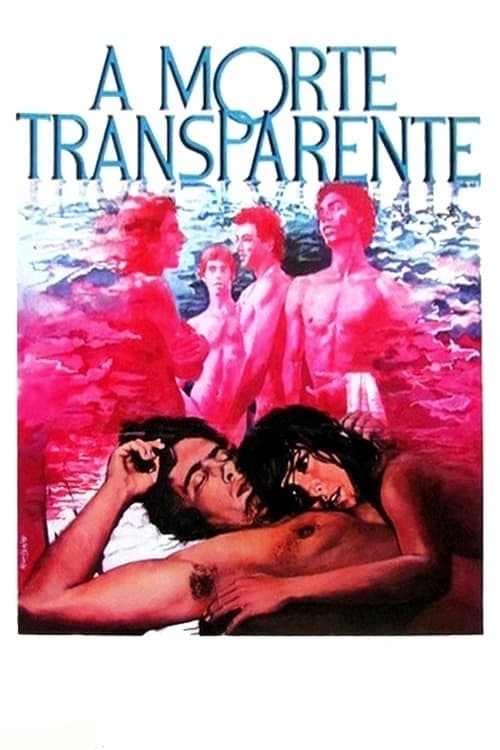
Runnin' After Love follows the typical narrative structure of a crime thriller from 1978. The plot centers on a wealthy woman and a gigolo, using well-known clichés of social instability and domestic disruption. The film does not aim for characters who reflect more than one aspect of diversity, focusing instead on class-based conflicts and traditional power dynamics. It does not seek to challenge systemic hierarchies or offer diverse perspectives on identity. Overall, the film serves as a period-specific melodrama that prioritizes genre conventions over progressive or subversive storytelling.
Category Breakdown
The movie does not include any characters or stories related to LGBTQ+ identities. The main storyline revolves around traditional heterosexual relationships.
The story relies on clichés of male aggression and female vulnerability. Although Marlene is a key character, the narrative follows traditional, high-conflict gender roles.
The story highlights socioeconomic class differences rather than ethnic identity. There is no visible representation of diverse racial backgrounds.
The film examines social transgressions and infidelity through a crime thriller lens. It emphasizes traditional social hierarchies without challenging Western or secular institutions.
There are no characters with visible or invisible disabilities mentioned in this work.
Present on Screen
Limited or Absent
Official Synopsis
Beto, a young gigolo playboy, convinces his friends to break into a house to rape Marlene, a wealthy woman. They can not complete the mission, but the woman fall in love with Beto, who returns to become her lover. The case of the two, eventually involving the husband of Marlene, causes problems that the two can't solve.
1979

1970

1976

1974

1988
1981

1969

1997
No reviews yet. Be the first to share your thoughts on this movie!
Use the rating form above to leave a star rating and optional review.