Pussy
2016
No user ratings available yet
Representation score: 3.7 out of 10
Representation Score
Fair
1988
Director
Joanna Quinn
Runtime
6 minutes
Average Rating
No ratings yetNew Showbiz Analysis
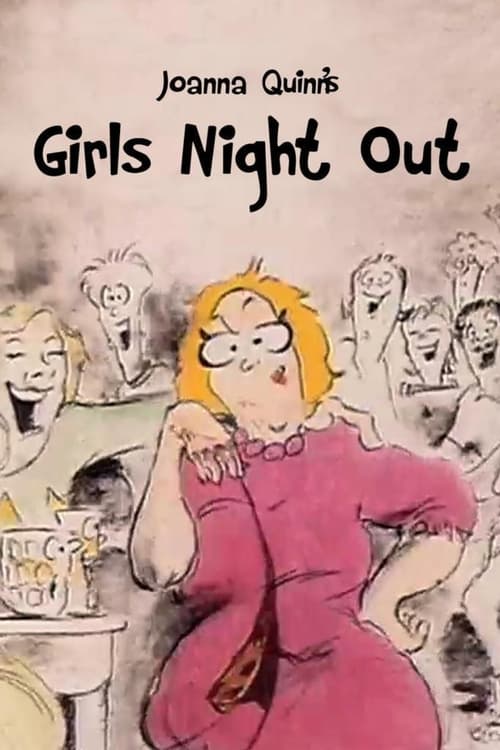
Joanna Quinn’s animation centers on female subjectivity and challenges traditional domestic roles. By highlighting a housewife’s journey away from her routine, the film presents a progressive perspective on female desire and autonomy. While the film effectively challenges patriarchal structures and the submissive housewife archetype, it lacks specific representation of diverse identities, such as racial diversity or LGBTQ+ characters. The narrative primarily focuses on female empowerment and social rebellion. Ultimately, the film’s strength lies in its structural challenge to traditional domestic roles and its emphasis on women's ability to drive the story and personal desires.
Category Breakdown
The film focuses on female friendship and shared social experiences. However, there is no clear depiction of queer identities or intimate relationships.
The story shifts the protagonist from a domestic role to adult leisure, challenging traditional gender roles and emphasizing personal ability to act and desires.
There is no information available regarding the racial composition of the cast or the setting. Consequently, the film's approach to ethnic diversity cannot be determined.
The narrative explores social rebellion and critiques domestic monotony, prioritizing individual freedom over traditional social norms and institutions.
There is no mention of characters with visible or invisible disabilities in the provided context.
Present on Screen
Limited or Absent
Official Synopsis
When a housewife's girlfriends take her to a male strip club for her birthday, she brings back more than memories.
2016
1980
2008
1992
2012
1956

1977
1988
No reviews yet. Be the first to share your thoughts on this movie!
Use the rating form above to leave a star rating and optional review.