
El sexo fuerte
1946
No user ratings available yet
Representation score: 5.5 out of 10
Representation Score
Fair
1980
RDirector
Federico Fellini
Runtime
140 minutes
Average Rating
No ratings yetNew Showbiz Analysis
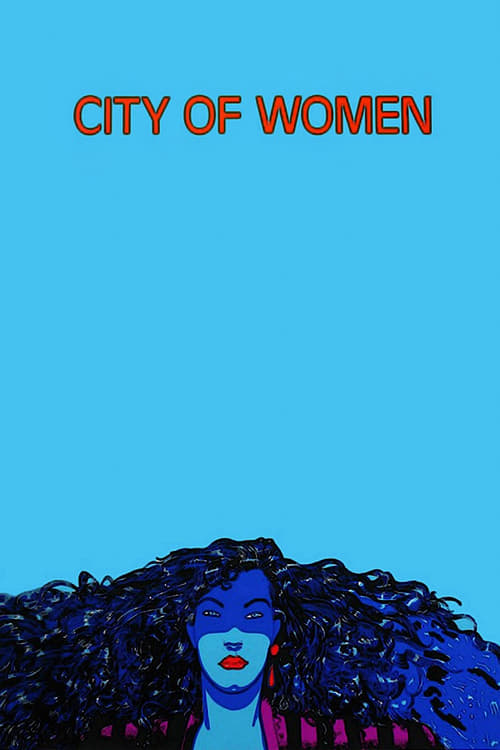
Federico Fellini’s *City of Women* is a surrealist exploration of the male psyche that successfully challenges traditional gender hierarchies. By portraying the male protagonist as a confused observer in a female-dominated world, the film effectively dismantles the traditional male gaze. However, the film’s impact is constrained by its focus on psychological archetypes. It lacks meaningful engagement with LGBTQ+ identities and racial diversity, remaining primarily focused on a singular, dreamlike perspective. Ultimately, the work offers a progressive examination of gendered ability to act but at the expense of broader social diversity.
Category Breakdown
The film does not include explicit representations of LGBTQ+ identities or same-sex relationships. Instead, it centers on the protagonist’s interactions with female characters within a heterosexual context.
The film challenges traditional gender roles by depicting the male protagonist as powerless and unwanted. A feminist conference shifts the narrative focus to a collective female presence, highlighting their ability to act.
The film emphasizes psychological and symbolic representations rather than a diverse cast of characters. The setting prioritizes the protagonist's internal experiences over issues related to race or ethnicity.
The narrative explores subjective morality and moral relativism through a surreal lens. It focuses on internal psychological truths rather than established social or religious institutions.
There is no clear depiction of physical or neurodivergent disabilities as central narrative elements in the film.
Present on Screen
Limited or Absent
Official Synopsis
The charismatic Snaporaz encounters an alluring woman on a train and pursues her through a forest. He ends up at a hotel populated by women gathered for a feminist conference, where he is an unwanted presence. Snaporaz soon discovers he’s entered a phantasmagoric world where women have taken power.
1946

1990

1981

1974
1978
1961

1972
1982
No reviews yet. Be the first to share your thoughts on this movie!
Use the rating form above to leave a star rating and optional review.