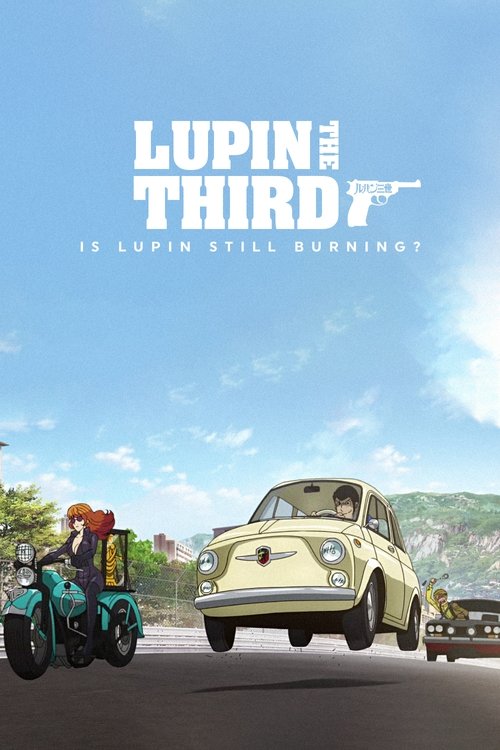
Lupin the Third: Is Lupin Still Burning?
2018
No user ratings available yet
Diversity score: 5.8 out of 10
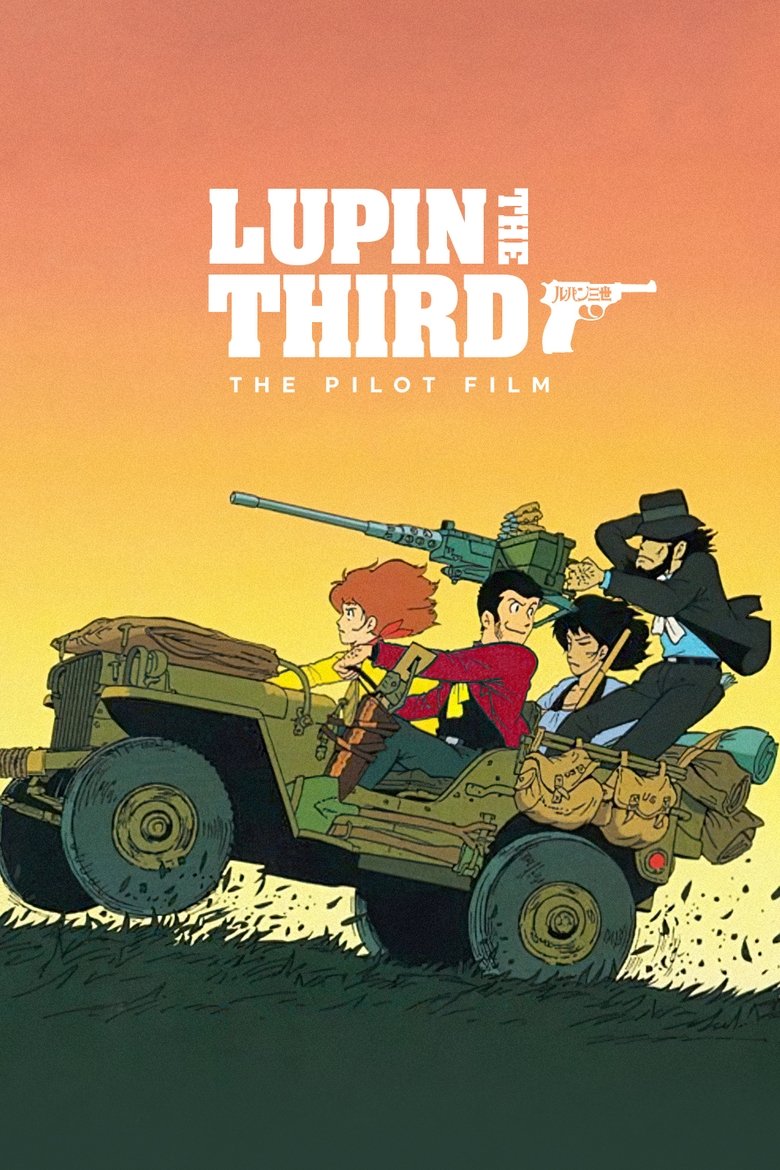
1969
Not RatedDirector
Masaaki Osumi
Runtime
12 minutes
Average Rating
No ratings yetSynopsis
The first animated adaptation of the popular manga series, this pilot introduces the main characters of "Lupin the Third" with montages, presented through a short frame narrative illustrating a typical gang escape.
Overall Score
Limited
Category Breakdown
LGBTQ+ Representation
The pilot focuses exclusively on a male-centric ensemble. There is no evidence of non-cisnormative gender identities or narratives that engage with heteronormativity.
Gender Representation
The narrative architecture is heavily skewed toward a masculine hierarchy. Female characters appear as peripheral plot devices or traditional archetypes common to 1960s crime genres.
Racial & Ethnic Diversity
As a Japanese production of the era, the cast and setting are predominantly homogeneous. The film reflects the standard demographic presentation of its time without intentional intersectional layering.
Religious & Cultural Diversity
The film presents a nuanced approach to morality by centering a master thief. This disrupts the binary of law versus crime through situational ethics.
Disability Representation
There are no visible or invisible disabilities portrayed with agency. No characters are depicted using disability as a narrative device.
Strengths
Areas for Improvement
AI Analysis
This pilot film serves as a foundational text for the Lupin franchise, prioritizing character-driven adventure over social subversion. It establishes a core aesthetic rooted in traditional heist tropes and masculine camaraderie. The work remains tethered to the social hierarchies of 1969. While it offers a moderate level of cultural complexity through its moral ambiguity, it lacks the intersectional depth found in more progressive modern animation. Ultimately, the film functions as a genre-standard introduction to a caper adventure, focusing on individualist agency rather than diverse representation.
No reviews yet. Be the first to share your thoughts on this movie!
Use the rating form above to leave a star rating and optional review.