
Hot Spirits
1981
No user ratings available yet
Representation score: 1.8 out of 10
Representation Score
Limited
1967
GDirector
Renato Castellani
Runtime
104 minutes
Average Rating
No ratings yetNew Showbiz Analysis
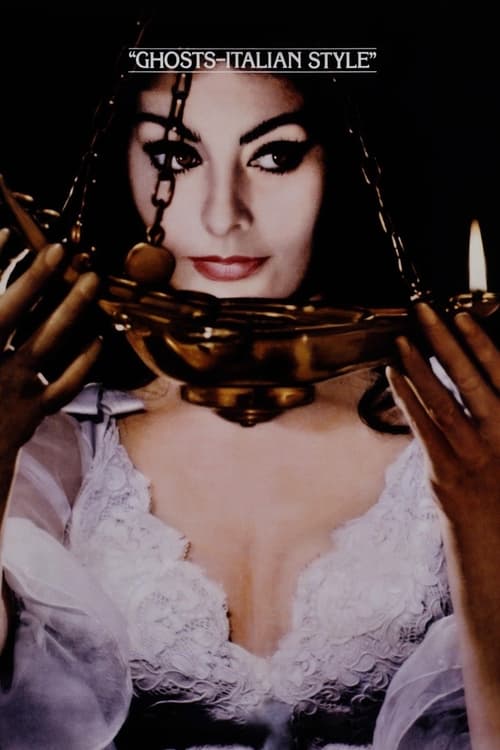
Renato Castellani’s comedy is a product of its time, serving as a cultural study of 1960s Italy. It prioritizes classical storytelling and genre-specific formulas over disrupting social hierarchies. The film does not intentionally challenge traditional norms. It operates within a narrow demographic and social framework, focusing on a traditional marital unit and established social etiquette. While it provides insight into the era's social manners, it does not engage with modern concepts of diversity or broader systemic critiques.
Category Breakdown
The film follows traditional mid-century structures that assume everyone is straight and cisgender. It centers on the marriage between Pasquale and Maria, without showing any same-sex relationships or non-cisgender identities.
Gender roles follow traditional comedic formulas of the era. The plot revolves around domestic life and romantic confusion within established social roles, without challenging gender hierarchies.
The film reflects a homogeneous Italian demographic. The cast focuses on local characters, lacking multicultural casting or any representation of different racial backgrounds.
Themes of superstition and ghosts serve as comedic devices, not critiquing religious or social institutions. The film maintains a conventional approach to family and social order.
Supernatural elements act as plot catalysts for misunderstandings. There is no portrayal of physical or neurodivergent disabilities within the narrative.
Present on Screen
Limited or Absent
Official Synopsis
Pasquale and Maria, husband and wife, live in a palace supposedly haunted by ghosts and pay no rent. When Pasquale finds some food in the cupboard he thinks the ghosts are at work.
1981
1937
2021
1988
1947
1976
1965

2022
No reviews yet. Be the first to share your thoughts on this movie!
Use the rating form above to leave a star rating and optional review.