
City Without Men
1943
No user ratings available yet
Diversity score: 2.3 out of 10

1962
Director
Walter Doniger, Crane Wilbur
Runtime
85 minutes
Average Rating
No ratings yetSynopsis
An innocent, pregnant prison inmate (Shirley Knight) becomes the bad warden's (Andrew Duggan) personal favorite.
Overall Score
Limited
Category Breakdown
LGBTQ+ Representation
The film lacks any evidence of queer narratives or non-cisnormative identities. It adheres to the heteronormative frameworks typical of 1960s crime dramas.
Gender Representation
A female protagonist navigates a high-stakes prison environment. However, the narrative risks reinforcing tropes of female vulnerability through her relationship with a dominant male warden.
Racial & Ethnic Diversity
The production reflects the homogeneous casting standards of the early 1960s. There is no indication of a diverse or non-Anglo-Saxon majority cast.
Religious & Cultural Diversity
The story focuses on a conventional moral binary between the innocent and the corrupt. It lacks a systemic critique of social structures or institutions.
Disability Representation
There is no documented evidence regarding the inclusion of characters with visible or invisible disabilities.
Strengths
Areas for Improvement
AI Analysis
House of Women is a product of its era, prioritizing standard genre tropes over intersectional representation. The narrative centers on a power struggle between a pregnant inmate and a corrupt warden, which leans heavily into traditional archetypes of victimization. The film fails to provide meaningful diversity, offering a homogeneous cast and a strictly heteronormative worldview. It functions as a conventional crime drama rather than a tool for social subversion. Ultimately, the work reflects the limited cinematic scope of 1962, focusing on individual morality rather than broader systemic or cultural complexities.
1943
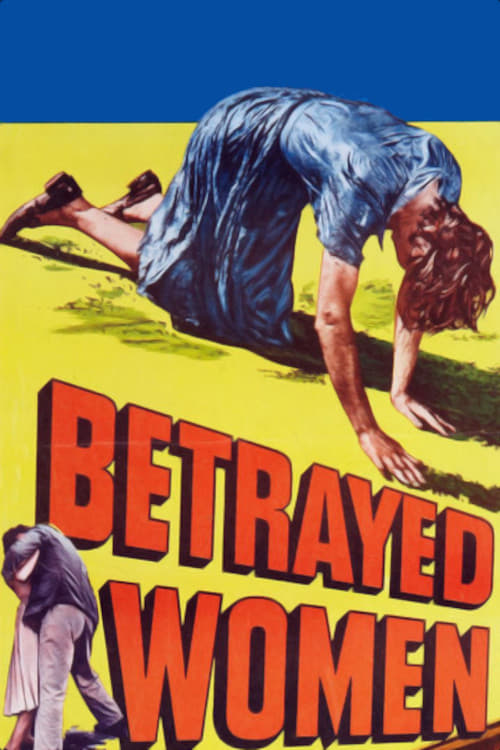
1955

1934
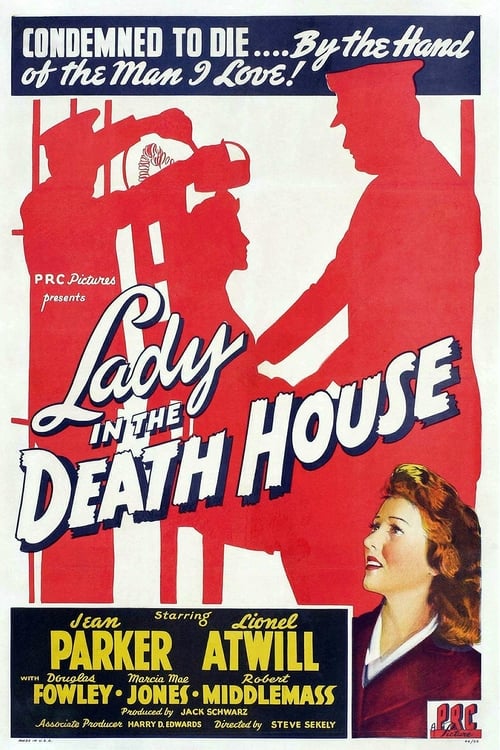
1944
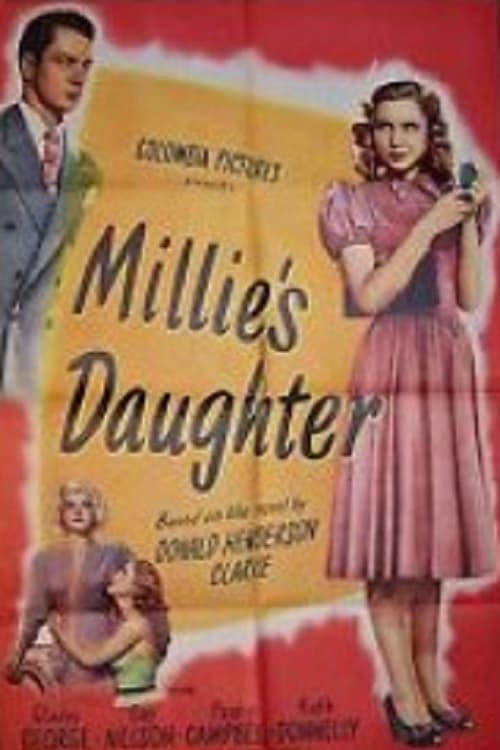
1947

1942

1951

2013

1960
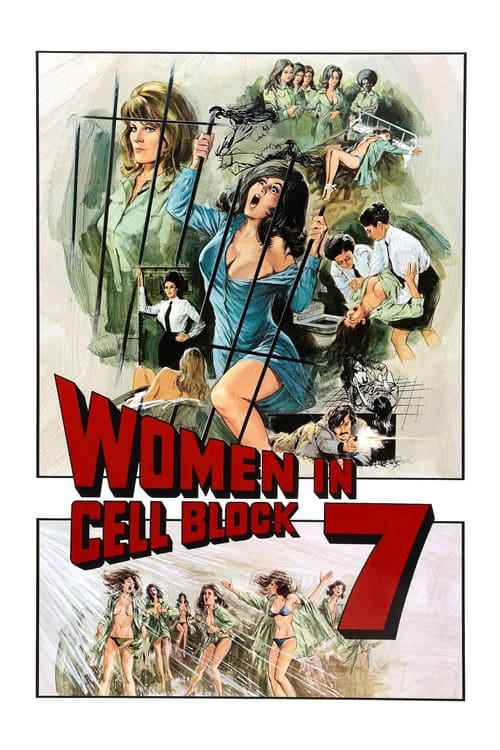
1973

1932
1950
No reviews yet. Be the first to share your thoughts on this movie!
Use the rating form above to leave a star rating and optional review.