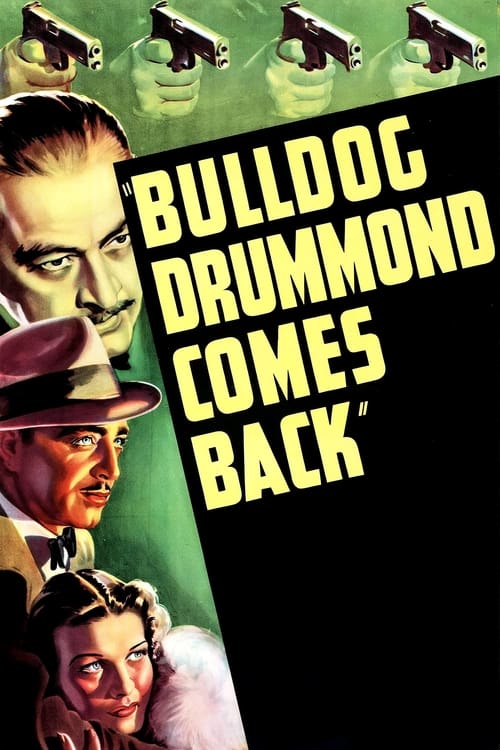
Bulldog Drummond Comes Back
1937
No user ratings available yet
Representation score: 0.3 out of 10
Representation Score
Minimal
1947
ApprovedDirector
John Rawlins
Runtime
65 minutes
Average Rating
No ratings yetNew Showbiz Analysis
This crime procedural is a typical product of its era, emphasizing law and order through a traditional lens. The narrative structure relies on well-established genre clichés that reinforce mid-century institutional stability rather than challenging existing power dynamics. Representation is limited, aligning with the social hierarchies of the late 1940s. The film lacks attention to diverse identities, focusing instead on a conventional morality. Characterization often depends on outdated clichés, particularly in how physical differences are used to indicate moral issues. The film reinforces the status quo rather than presenting diverse viewpoints.
Category Breakdown
The film doesn't include any LGBTQ+ identities or same-sex relationships. There are no queer characters or storylines.
The story focuses on Dick Tracy, a strong male figure, reinforcing traditional gender roles from the mid-20th century. The power dynamics favor male characters, both heroes and villains.
The film uses a homogeneous cast typical of the time. There is no indication of a racially diverse cast or characters from non-Anglo-Saxon backgrounds.
The story follows a traditional moral framework that upholds law and order. It supports the stability of established legal and social systems without questioning them.
Physical deformities are used as a character trait rather than explored in depth. The antagonist’s appearance symbolizes his status as a criminal.
Present on Screen
Limited or Absent
Official Synopsis
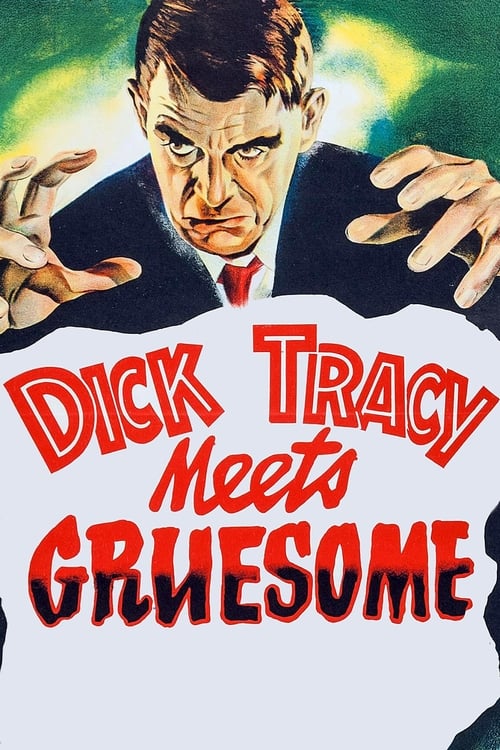
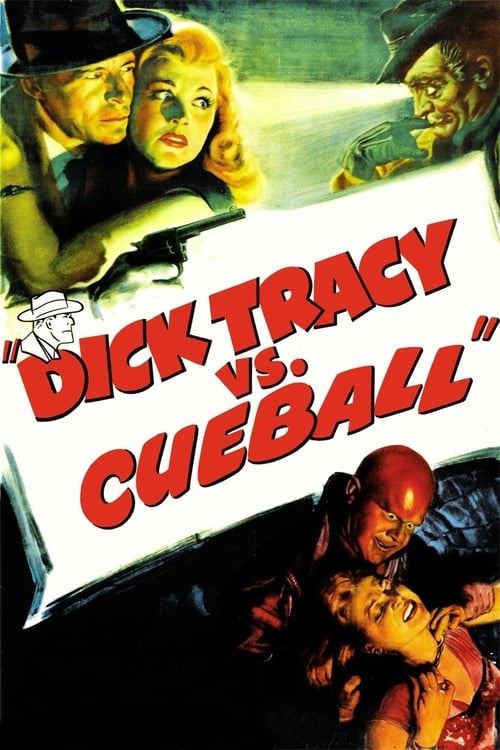
A gang of criminals, which includes a piano player and an imposing former convict known as 'Gruesome', has found out about a scientist's secret formula for a gas that temporarily paralyzes anyone who breathes it. When Gruesome accidentally inhales some of the gas and passes out, the police think he is dead and take him to the morgue, where he later revives and escapes. This puzzling incident attracts the interest of Dick Tracy, and when the criminals later use the gas to rob a bank, Tracy realizes that he must devote his entire attention to stopping them.
1937

1951
1945
1933

1939
1922
1946

1947
No reviews yet. Be the first to share your thoughts on this movie!
Use the rating form above to leave a star rating and optional review.