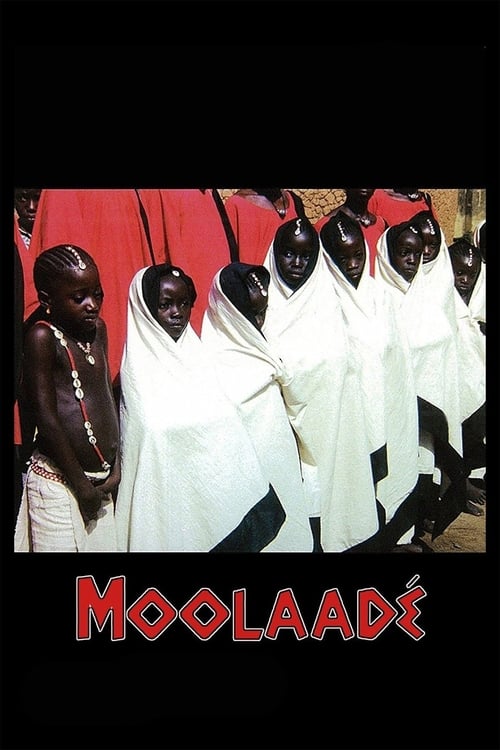
Moolaadé
2004
No user ratings available yet
Representation score: 5.0 out of 10
No Poster Available
Representation Score
Good
2015
TV-MADirector
Solomon Onita Jr.
Runtime
15 minutes
Average Rating
No ratings yetNew Showbiz Analysis
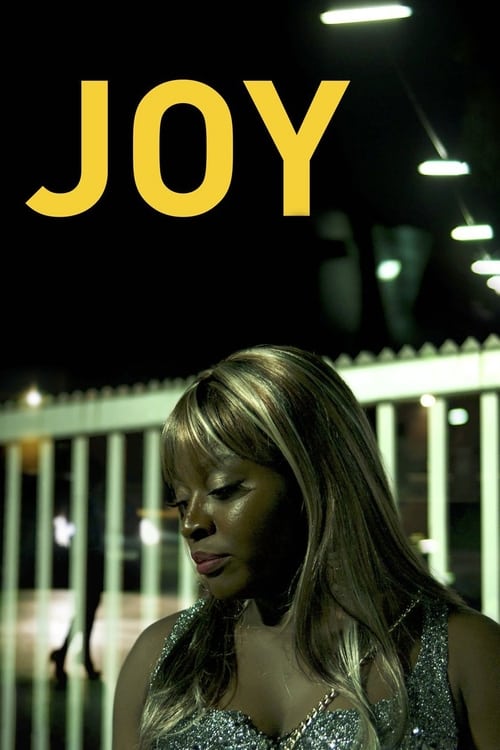
Joy offers a focused look at the multi-layered struggles of the Nigerian diaspora. By centering a Black woman fighting for her daughter's bodily autonomy, the film moves beyond simple immigrant clichés to explore deep-seated cultural friction. The strength of the film lies in its ability to challenge domestic hierarchies. It uses a specific, high-stakes conflict to examine how traditional heritage can clash with modern individual ability to act. However, the narrative's narrow focus on a traditional marriage leaves other identity dimensions, such as LGBTQ+ representation, unexplored. The film is a specialized study of race, gender, and cultural preservation.
Category Breakdown
The film focuses on a traditional marital structure. There is no explicit evidence of LGBTQ+ characters or non-straight relationships within the narrative.
The story centers on a female protagonist fighting patriarchal traditions. She acts as the primary agent of resistance against her husband's decisions.
The film highlights the Nigerian diaspora in America. It centers a Black female protagonist to challenge Western-centric storytelling norms.
The narrative critiques traditionalist institutions and cultural practices. It explores the tension between immigrant traditions and Western social norms.
There is no visible evidence regarding the portrayal of physical or neurodivergent disabilities in this work.
Present on Screen
Limited or Absent
Official Synopsis
A Nigerian woman living in America struggles to convince her traditionalist husband not to circumcise their ten-year-old daughter.
2004

2016
2021

2017
2014
2019

2017

2013
No reviews yet. Be the first to share your thoughts on this movie!
Use the rating form above to leave a star rating and optional review.