All American Sweetheart
1937
No user ratings available yet
Diversity score: 1.7 out of 10
1932
PassedDirector
A.F. Erickson, Andrew Bennison
Runtime
67 minutes
Average Rating
No ratings yetSynopsis
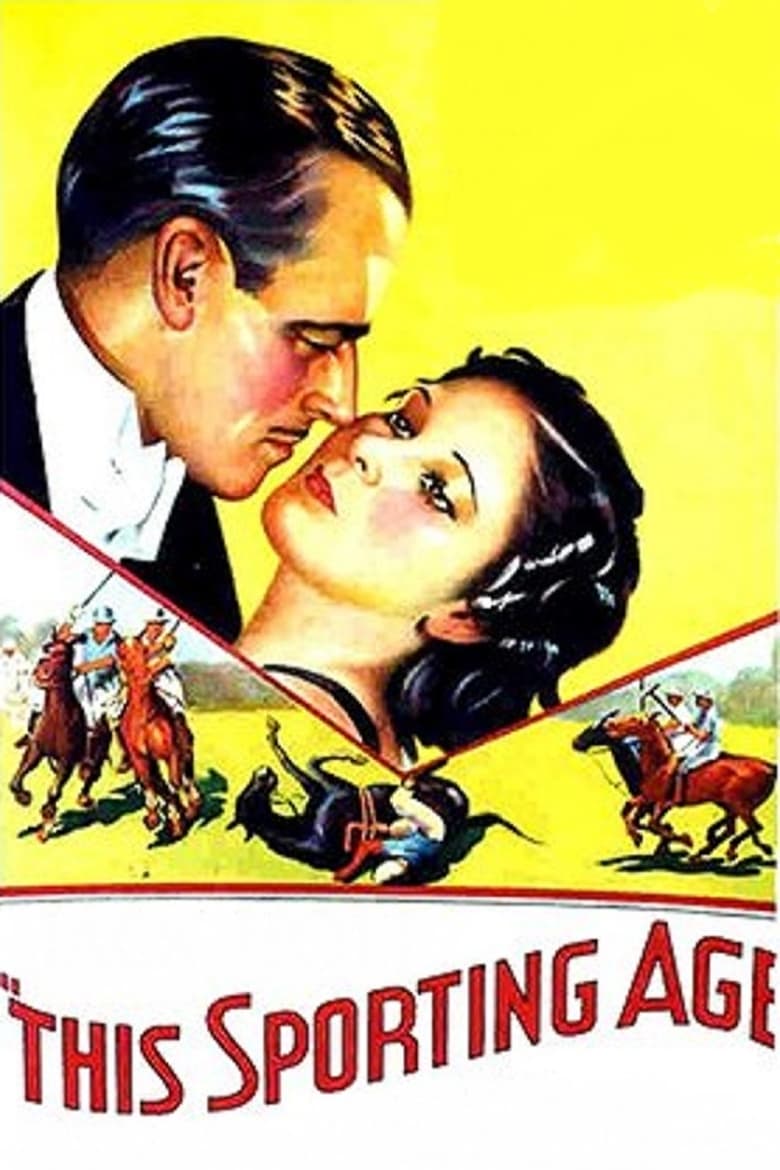
Polo, a team sport played on horseback in which the objective is to score goals by driving a small ball into the opposing team's goal using a long-handled mallet.
Overall Score
Minimal
Category Breakdown
LGBTQ+ Representation
The film contains no evidence of non-heteronormative identities. It lacks narratives that critique or explore heteronormativity, remaining consistent with the social constraints of 1932.
Gender Representation
The story centers on polo, a sport historically dominated by men. There is no evidence of female agency or the subversion of traditional gender hierarchies.
Racial & Ethnic Diversity
The film reflects the homogeneous social norms of its era. Polo was historically associated with elite, predominantly Anglo-Saxon circles, and no diverse character agency is present.
Religious & Cultural Diversity
The subject matter celebrates traditional Western sporting pursuits and established social institutions. It lacks any indication of secular, anti-capitalist, or anti-institutional themes.
Disability Representation
No characters with visible or invisible disabilities are identified in the documentation.
Strengths
Areas for Improvement
AI Analysis
This 1932 drama serves as a conventional period piece centered on the sport of polo. The film adheres to the standard social and cultural frameworks of the early 20th century, offering little in the way of systemic critique or intersectional complexity. The narrative architecture lacks intentional disruption of traditional hierarchies. Instead, it focuses on a sport and social setting that historically favored specific, homogeneous demographics. Ultimately, the film functions as a reflection of its era's social norms rather than a work that seeks to include or represent marginalized identities.
1937
1948
1963
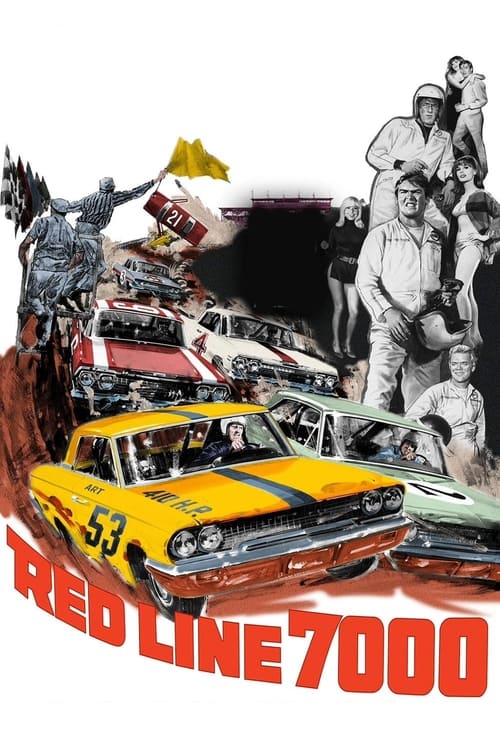
1965
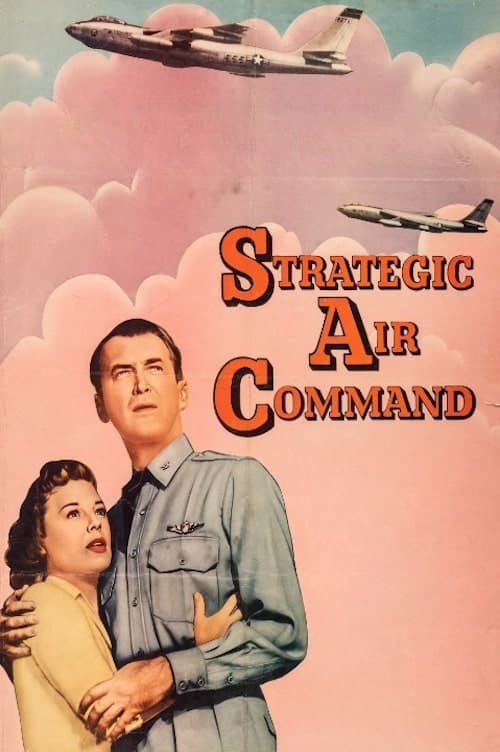
1955

1981
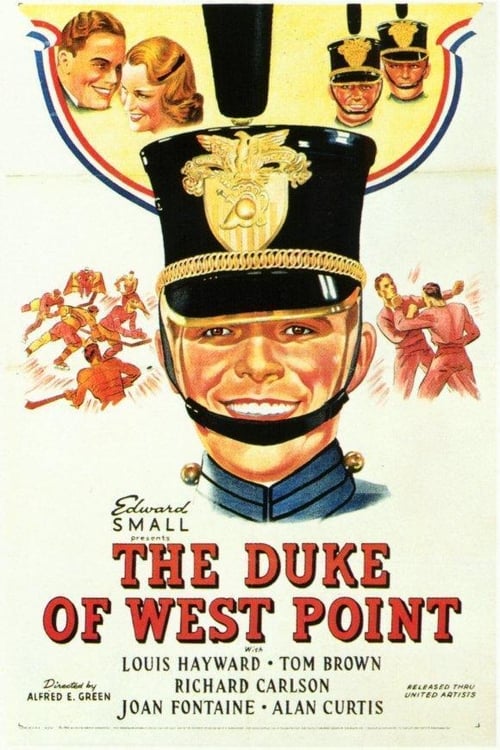
1938
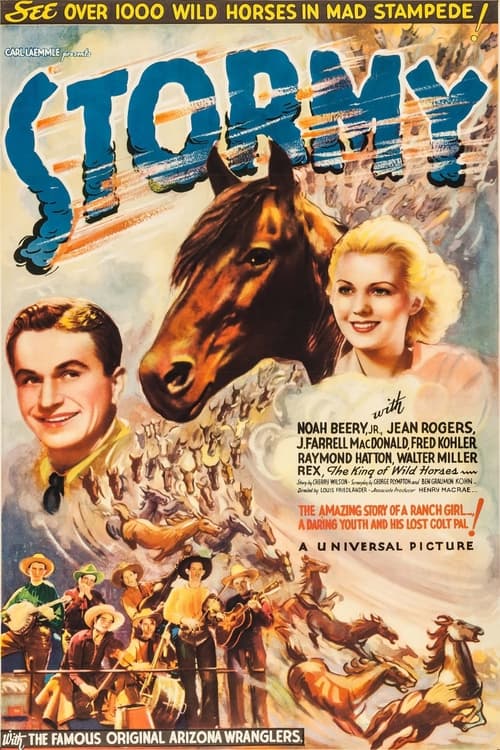
1935
1950
No reviews yet. Be the first to share your thoughts on this movie!
Use the rating form above to leave a star rating and optional review.