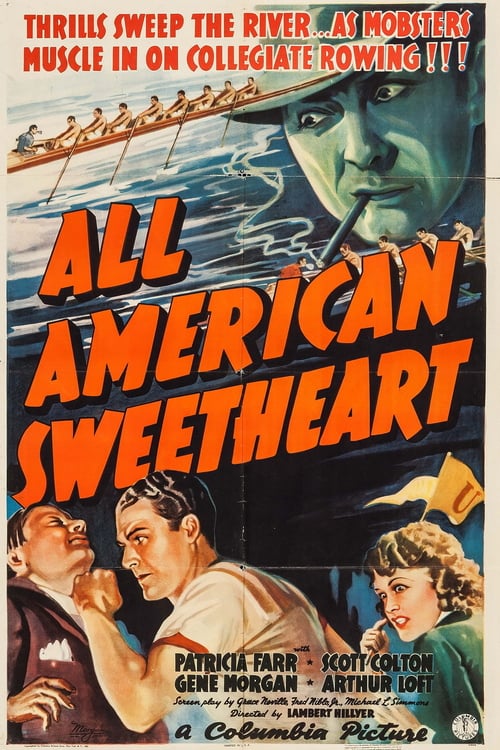
All American Sweetheart
1937
No user ratings available yet
Representation score: 1.0 out of 10
Representation Score
Limited
1948
ApprovedDirector
Jean Yarbrough
Runtime
71 minutes
Average Rating
No ratings yetNew Showbiz Analysis
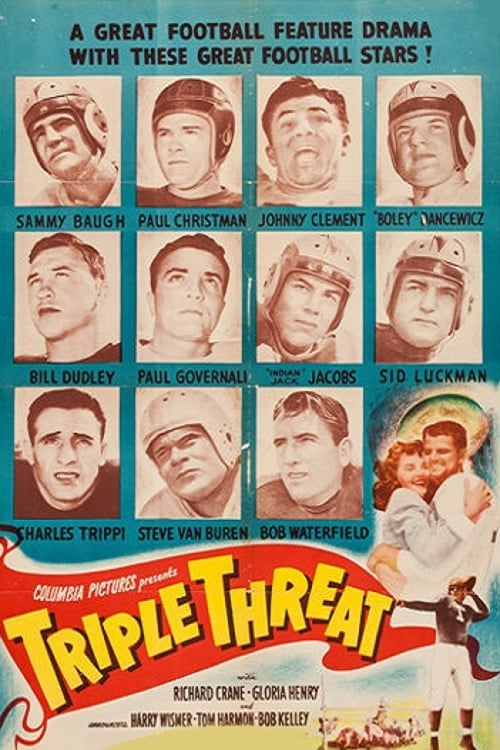
Triple Threat is a product of the late 1940s studio system, prioritizing commercial genre clichés over social interrogation. The narrative focuses on traditional success stories and romantic complications, which limits its scope for diverse storytelling. The film reflects the era's demographic norms, characterized by homogeneous casting and a lack of multi-layered representation. While the female lead shows professional involvement, the structural dynamics remain rooted in conventional social hierarchies. Ultimately, the film serves as a period piece that reinforces the status quo rather than challenging it. It offers little in the way of modern social complexity or diverse identity representation.
Category Breakdown
The film follows the standard assumptions of the time, where everyone is assumed to be straight and cisgender. There are no visible non-cisgender identities or narratives that challenge traditional gender roles.
Peggy Ryan provides a central female perspective through her professional talent. However, the film lacks significant challenges to gender hierarchies or depictions of weak masculinity.
The production adheres to the homogeneous casting standards of the late 1940s. There is no evidence of a diverse or non-Anglo-Saxon majority cast.
The story reinforces mid-century social cohesion and traditional industry values. It focuses on success within a capitalist entertainment framework without offering secularist or anti-Western critiques.
There is no discernible evidence regarding the inclusion or portrayal of characters with physical or neurodivergent disabilities.
Present on Screen
Limited or Absent
Official Synopsis
An arrogant college football player turns professional, taking his bad attitude with him.
1937

1963
1955
1978
1938
1993

1964

1972
No reviews yet. Be the first to share your thoughts on this movie!
Use the rating form above to leave a star rating and optional review.