The Lady Gambles
1949
No user ratings available yet
Representation score: 0.5 out of 10
Representation Score
Limited
1958
Director
Claude Autant-Lara
Runtime
97 minutes
Average Rating
No ratings yetNew Showbiz Analysis
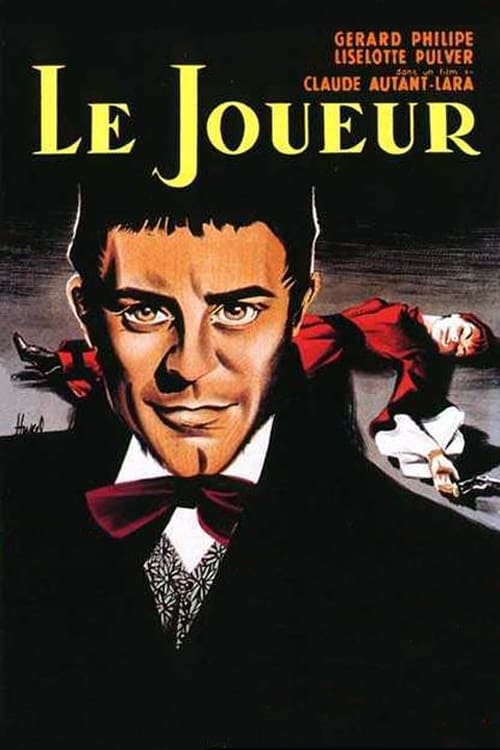
Claude Autant-Lara’s period drama focuses on the psychological impact of compulsive gambling and economic decay. The film emphasizes historical accuracy over challenging social hierarchies, mirroring the rigid structures of the 1860s. Representation is traditional and lacks depth, focusing on male-driven narratives and the consequences of individual vices, with little disruption to the established social norms of the time.
Category Breakdown
The film follows the social structures of the 1860s, where everyone is assumed to be straight and cisgender. There are no non-binary genders or same-sex relationships shown in the story.
Female characters like Pauline and Aunt Antonina play important roles in the plot, especially concerning inheritance and romance. However, the story mainly focuses on the male characters' psychological struggles, reinforcing a patriarchal viewpoint.
The cast is mostly white, reflecting the aristocratic circles of 19th-century Europe. The film does not explore non-Western perspectives or the effects of historical colonization.
The story critiques the obsession with wealth and the unpredictability of chance. It focuses on the moral lessons of addiction without deeply examining Western cultural values.
There is no significant representation of physical or neurodivergent disabilities. Aunt Antonina’s illness is used primarily as a plot device to discuss inheritance.
Present on Screen
Limited or Absent
Official Synopsis
In 1866, a young Muscovite named Alexei Ivanovitch arrives in Baden Baden, then the gambling capital of Austria, and is soon engaged by General Zagorianski to look after his children. Alexei discovers that his employer is a compulsive gambler who has been almost ruined by his addiction. The only money the General has is provided by the Marquis de Grieux, an adventurer who intends to marry Zagorianski’s sister, Pauline. In doing so, de Grieux hopes to profit from the vast inheritance that will come the General’s way from his Aunt Antonina, who is presently very ill. Alexei is appalled by this society which lives only for money. He loves Pauline and wants to take her to a healthier place, but when she refuses to marry him, he begins to gamble at the casino…
1949

1974
1925

1963

1984

1956
1932

1974
No reviews yet. Be the first to share your thoughts on this movie!
Use the rating form above to leave a star rating and optional review.