Zwei Herzen und ein Thron
1955
No user ratings available yet
Representation score: 1.6 out of 10
Representation Score
Minimal
1942
Director
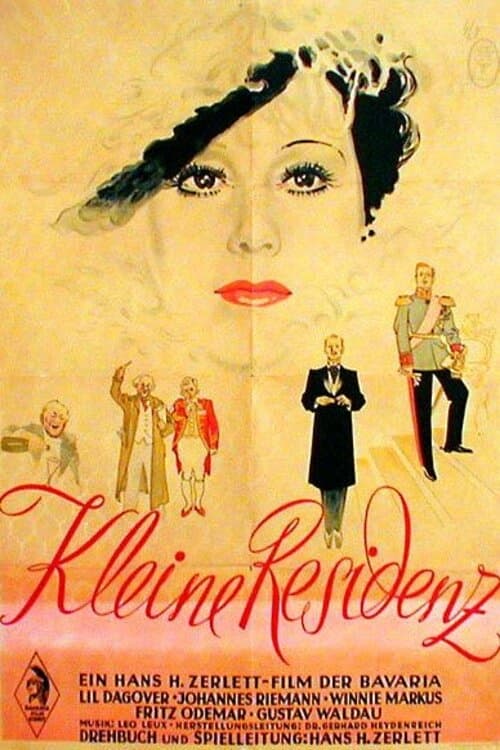
Hans H. Zerlett
Runtime
78 minutes
Average Rating
No ratings yetNew Showbiz Analysis
Kleine Residenz is a period comedy that reinforces established social and cultural hierarchies. The narrative centers on the glorification of a singular male hero and the preservation of regional myths. Produced in 1942, the film adheres to the conservative cinematic standards of its time, prioritizing traditionalism and historical continuity over any disruption of social norms. Ultimately, the work offers minimal representation for underrepresented groups, focusing instead on a homogeneous, Eurocentric view of local history and traditional gender roles.
Category Breakdown
The film does not include any characters or stories related to LGBTQ+ individuals. The plot focuses on a local hero and romantic gossip, suggesting a traditional heterosexual perspective.
The story revolves around male characters such as Otto the Ironman and the theater director, who have significant roles. Women are mentioned but mainly as objects of gossip, emphasizing masculine leadership and strength.
Set in a European duchy, the film depicts a homogeneous society with no indication of non-European identities or diverse casting.
The film celebrates regional heritage and the sanctity of historical traditions. It upholds established social orders and cultural institutions without challenging them.
There is no mention of characters with visible or invisible disabilities in the film.
Present on Screen
Limited or Absent
Official Synopsis
It’s 1910 and we’re in the duchy of Lauffenburg. Everybody is celebrating the 600th birthday of the local hero, Otto the Ironman, who in his time saved the duchy from annexation and beat the enemy so badly, that he fled ... well, that’s what it says in the history books, at least. Local gossip asserts, however, that Otto wasn’t even part of the battle and was spending his time having fun with a pretty girl. When one day a piece is introduced at the court theatre, which tells the heroic story of Otto, the director rejects the mediocre story.
1955
1971
1937
1940
1947
1959

1941
1936
No reviews yet. Be the first to share your thoughts on this movie!
Use the rating form above to leave a star rating and optional review.