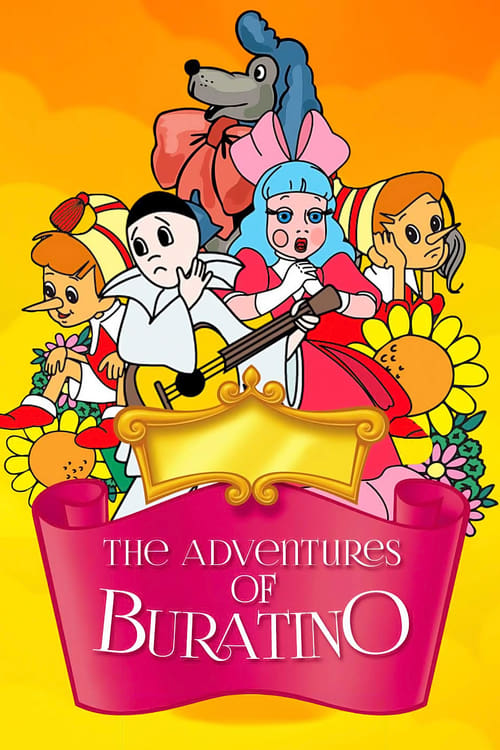
The Adventures of Buratino
1959
No user ratings available yet
Representation score: 2.6 out of 10

Representation Score
Limited
1976
Director
Leonid Nechayev
Runtime
132 minutes
Average Rating
No ratings yetNew Showbiz Analysis
The film's portrayal of diversity is limited by its non-human cast and traditional gender roles. However, it excels in its cultural critique of power structures. The narrative focuses on the struggle against oppressive authority, highlighting themes of collective liberation and autonomy. Despite its limitations, the film remains a subversive allegory, emphasizing themes of freedom and resistance against exploitative systems.
Category Breakdown
The film does not include any LGBTQ+ characters or non-cisgender identities. The world of the film follows a traditional, straight-focused perspective without challenging typical gender roles.
Malvina stands out with her high intelligence and strong moral stance, yet she still fits into traditional feminine roles. She contrasts sharply with the impulsive male characters, offering a sophisticated counterpoint.
Since the entire cast is made up of anthropomorphic puppets, there is no human racial or ethnic diversity shown. The uniform nature of the characters prevents any exploration of racial diversity.
The story functions as a powerful metaphor for freedom from oppressive systems. The journey for the Golden Key symbolizes a fight against tyrannical control and exploitation.
Characters are defined by their material composition, such as wood or fabric. There are no depictions of physical or neurological disabilities among the characters.
Present on Screen
Limited or Absent
Official Synopsis
A wooden boy Buratino tries to find his place in life. He befriends toys from a toy theater owned by evil Karabas-Barabas, gets tricked by Alice the Fox and Basilio the Cat and finally discovers the mystery of a golden key given to him by kind Tortila the Tortoise.
No reviews yet. Be the first to share your thoughts on this movie!
Use the rating form above to leave a star rating and optional review.