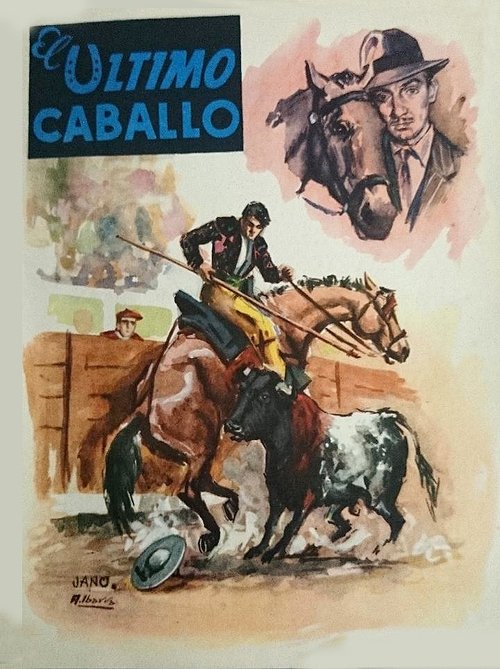
The Last Horse
1950
No user ratings available yet
Representation score: 2.0 out of 10
Representation Score
Minimal
1946
PassedDirector
George Sherman
Runtime
62 minutes
Average Rating
No ratings yetNew Showbiz Analysis
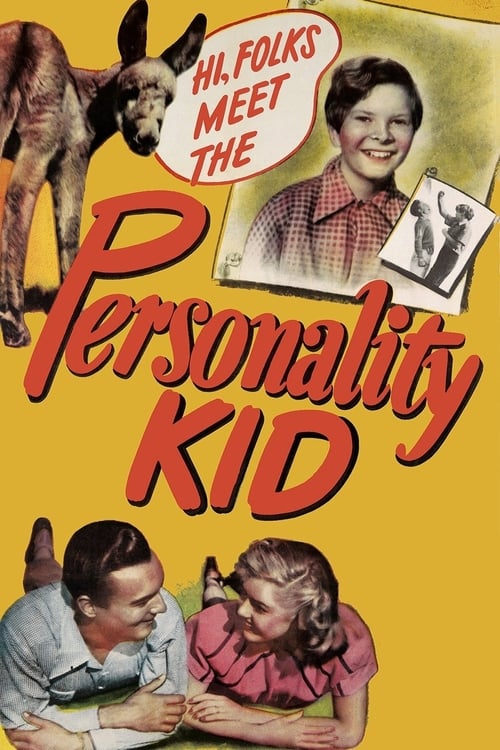
Personality Kid is a period-specific drama that adheres to the conventional narrative clichés of the 1940s. The story follows a classic post-war reintegration arc, focusing on an Army veteran's transition to civilian life. The film's structure prioritizes traditional heroism and the restoration of social order, relying on established social hierarchies and mid-century cinematic conventions. It does not explore multi-layered complexities. Ultimately, the work serves as a standard representation of its era, emphasizing individual resilience and domesticity through a narrow demographic lens.
Category Breakdown
The film does not include any representation of LGBTQ+ identities, sticking to the heterosexual norms of the time.
The story centers around male characters, particularly a veteran and his brother, reinforcing traditional mid-century masculine roles of duty and family.
The film likely reflects the homogeneous casting practices of the era, with no indication of diverse racial representation.
Themes focus on reintegrating a veteran into civilian life and upholding traditional family values, emphasizing the importance of social stability.
There is no information about the depiction of physical or neurodivergent disabilities in this story.
Present on Screen
Limited or Absent
Official Synopsis
An Army veteran finds his re-entry into civilian life easier through the efforts of his younger brother and a donkey.
1950
1939
1937

1945
1939
1946
1959
1962
No reviews yet. Be the first to share your thoughts on this movie!
Use the rating form above to leave a star rating and optional review.