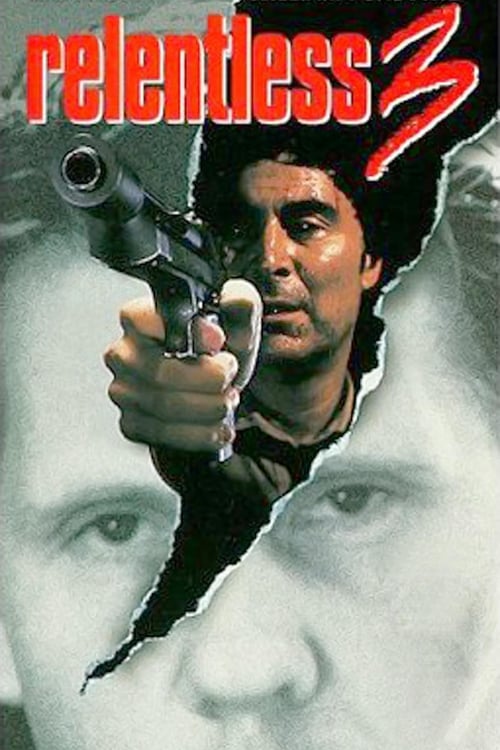
Relentless 3
1993
No user ratings available yet
Representation score: 1.8 out of 10
Representation Score
Limited
1992
RDirector
Michael Schroeder
Runtime
93 minutes
Average Rating
No ratings yetNew Showbiz Analysis
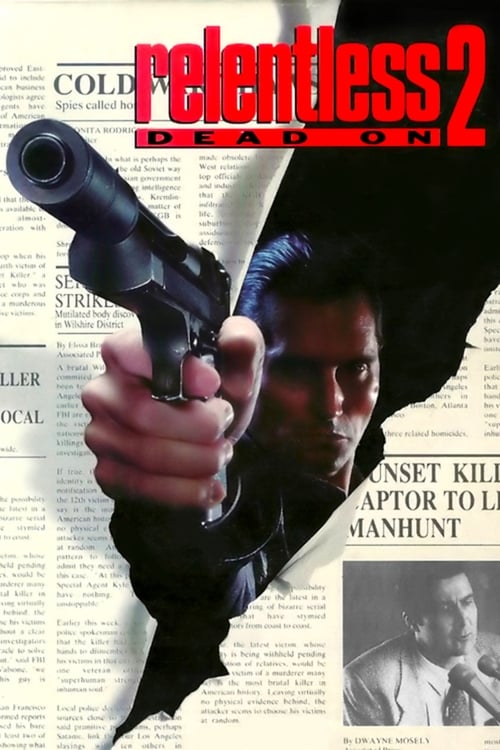
Dead On: Relentless II is a typical early-90s thriller that emphasizes genre clichés over social complexity. The plot centers on a masculine-driven investigative hierarchy, highlighting the tension between two male leads. Although it touches on the emotional impact of a broken marriage, it does so through a traditional lens. The film lacks depth in reflecting multiple aspects of identity, sticking to conventional social structures. Representation is limited to the central white male protagonists, with little exploration of diverse identities.
Category Breakdown
The main storyline revolves around a heterosexual marriage facing dissolution. There are no queer identities or subtext involving the primary characters.
The story is driven by male protagonists and their professional rivalry. Female characters, such as Carol, have significant roles but are primarily defined by their relationships to the male leads.
The central detective partnership features white actors. While the cast includes Cylk Cozart, characters of color play secondary or atmospheric roles.
The film follows traditional Western law enforcement structures, focusing on individual corruption and professional duty without addressing broader systemic issues.
There is no focus on physical, neurological, or sensory disabilities within the plot.
Present on Screen
Limited or Absent
Official Synopsis
Detective Sam Dietz is paired with a shady FBI agent to track down another serial killer terrorizing Los Angeles.
1993
1988
1991
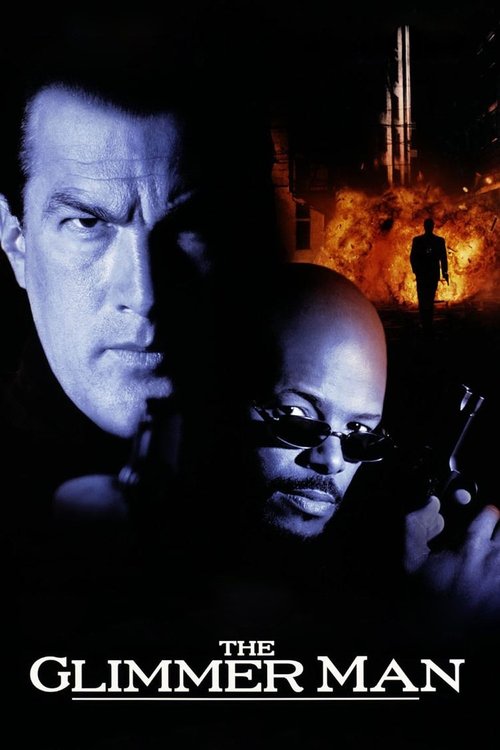
1996
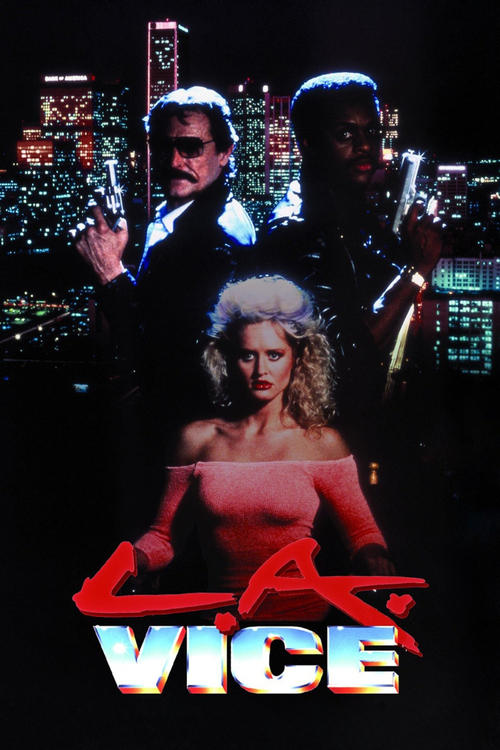
1989
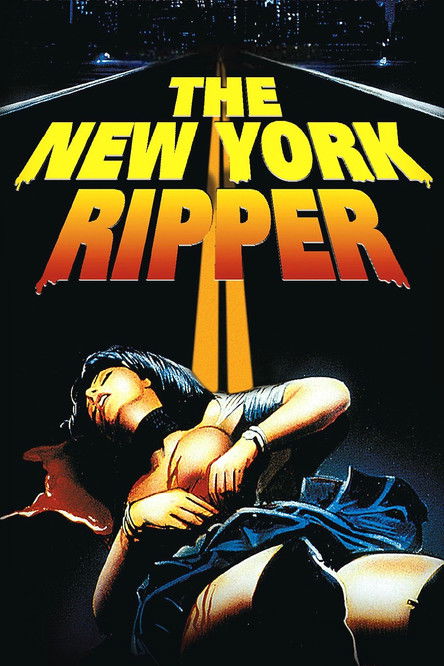
1982
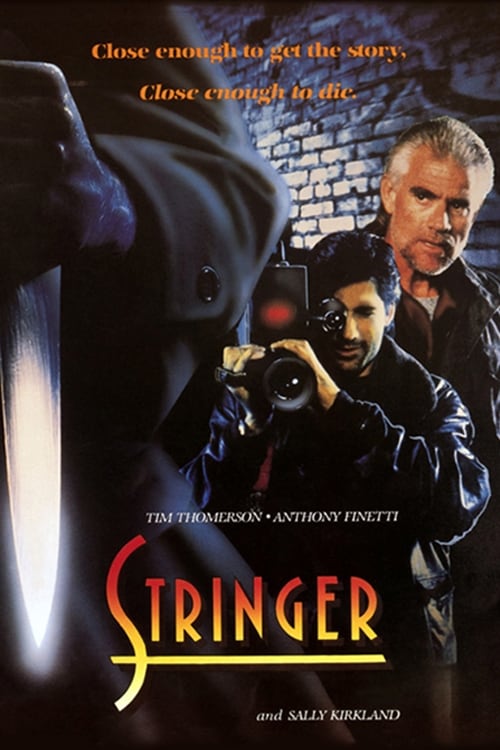
1992
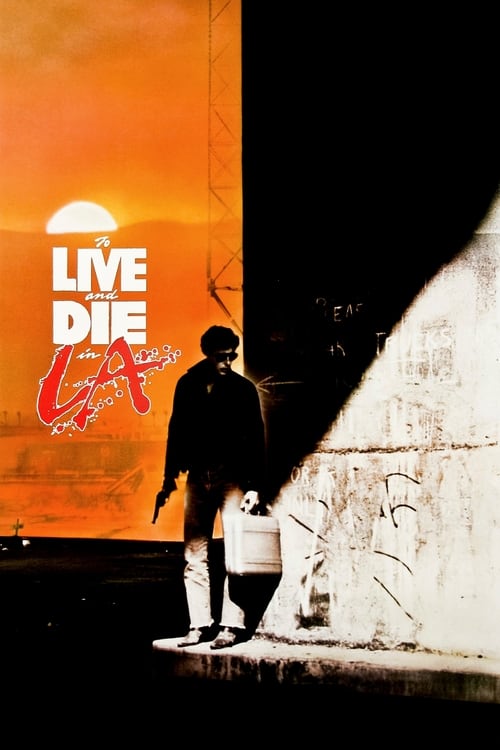
1985
No reviews yet. Be the first to share your thoughts on this movie!
Use the rating form above to leave a star rating and optional review.