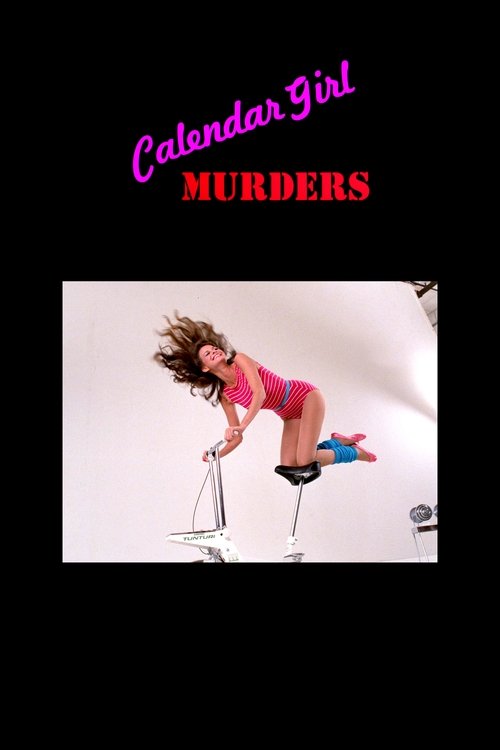
Calendar Girl Murders
1984
No user ratings available yet
Representation score: 1.3 out of 10
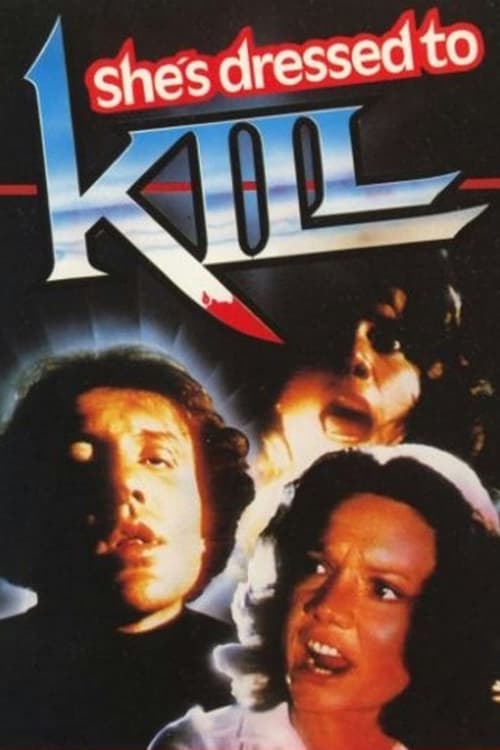
Representation Score
Limited
1979
NRDirector
Gus Trikonis
Runtime
100 minutes
Average Rating
No ratings yetNew Showbiz Analysis
She's Dressed to Kill functions as a traditional whodunit slasher set within the high-fashion industry. The narrative utilizes a closed-circle formula, focusing on a private showing at a secluded mansion to build suspense. While the film centers women in professional roles, it adheres to the conventional clichés of 1970s thrillers. The lack of documented multi-layered complexity suggests a standard genre exercise rather than a critical exploration of broader social issues. Ultimately, the film's diversity is limited by its era and genre, providing a female-centric professional backdrop but lacking broader social or cultural representation.
Category Breakdown
The film does not explicitly include LGBTQ+ identities or relationships. It reflects typical representations from late-70s genre cinema within a professional fashion setting.
Women hold central professional and social roles as designers and models. However, the slasher genre often positions these female characters as subjects of danger.
The fashion industry setting allows for potential visual diversity. However, there is no evidence of significant non-white casts or actors playing roles outside their traditional backgrounds.
The story operates within a standard Western capitalist framework focused on luxury fashion. It emphasizes survival and mystery without exploring alternative moralities.
There is no information available regarding characters with visible or invisible disabilities.
Present on Screen
Limited or Absent
Official Synopsis
A fashion designer gives a private showing at her mansion over a weekend, but someone starts killing off the models.
1984

1964
1990
1973
1988
1980
1958
1982
No reviews yet. Be the first to share your thoughts on this movie!
Use the rating form above to leave a star rating and optional review.