
Secret Ceremony
1968
No user ratings available yet
Representation score: 3.1 out of 10
Representation Score
Limited
1964
ApprovedDirector
Ronald Neame
Runtime
105 minutes
Average Rating
No ratings yetNew Showbiz Analysis
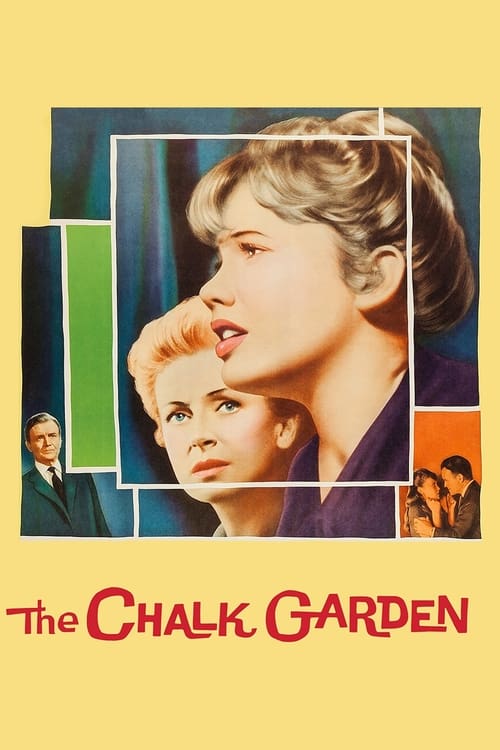
The Chalk Garden is a period drama that emphasizes psychological tension and class-based etiquette over diverse representation. It excels in character depth for its female leads, offering a subtle challenge to passive clichés within a patriarchal setting. However, the film is limited by its historical context, featuring a homogeneous cast and a narrative focused on the internal complexities of the British upper class. It lacks meaningful racial, cultural, or LGBTQ+ diversity. Ultimately, while the film provides nuanced female-driven dynamics, it remains rooted in the traditional social hierarchies of 1960s Britain.
Category Breakdown
The film does not include any LGBTQ+ characters or themes that challenge traditional views of sexuality and gender. The interpersonal relationships focus on the typical romantic and family structures of the 1960s.
The film explores female empowerment through the strategic actions of the matriarch and the governess. It passes the Bechdel test due to substantial conversations between women about their social positions.
The cast is uniform, reflecting the societal norms of the time. The film portrays a predominantly white, upper-class British environment without any indication of intentional racial diversity.
The story examines the English aristocracy and landed gentry. It upholds traditional socioeconomic hierarchies rather than providing a critique of Western institutions.
Laurel is shown as emotionally troubled, but this is framed through the lens of mid-century domestic drama. The character serves more as a plot device than a modern depiction of neurodivergence.
Present on Screen
Limited or Absent
Official Synopsis
The peculiar antics of Laurel, an emotionally troubled young girl, are the focus of The Chalk Garden – a stately household drama set on the cliffs of the English south coast. Edith Evans plays a matriarchal grandmother who, in raising her granddaughter, has neglected her other love – a barren chalk garden. Mayhem ensues as Laurel's behavior frightens away a succession of governesses until an enigmatic one is hired in spite of her mysterious references. She skillfully sets about tending to the girl's reckless emotions and the pitifully failed garden.
1968
1965
2014
1954
1945
1963
1965

2000
No reviews yet. Be the first to share your thoughts on this movie!
Use the rating form above to leave a star rating and optional review.