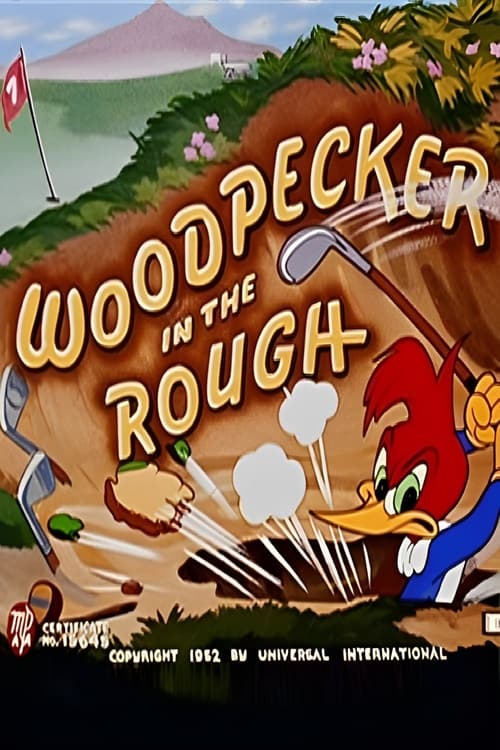
Woodpecker in the Rough
1952
No user ratings available yet
Representation score: 0.8 out of 10

Representation Score
Minimal
1956
ApprovedDirector
Paul J. Smith
Runtime
6 minutes
Average Rating
No ratings yetNew Showbiz Analysis
After the Ball is a mid-century gag-driven short that prioritizes kinetic energy and slapstick over social commentary. The film centers on a scale-displacement concept involving Woody Woodpecker. Because the cast consists of anthropomorphic animals, the film lacks human elements needed for racial, ethnic, or gendered social exploration. The narrative stays within the established comedic rhythms of the Walter Lantz studio system. Ultimately, the work serves as a typical genre piece without disrupting or representing diverse social hierarchies.
Category Breakdown
The film follows traditional 1950s comedic styles without addressing LGBTQ+ identities or narratives.
The narrative sticks to classic mid-century animation clichés. Woody Woodpecker shows strong ability to act through chaotic mischief but doesn't challenge gender roles.
Since the characters are anthropomorphic birds, there is no human cast to provide racial or ethnic representation.
The film aligns with traditional mid-century entertainment values, avoiding anti-capitalist or anti-Western themes and focusing on situational humor.
There are no characters with visible or invisible disabilities. Physical comedy relies on standard cartoon physics without depicting disabilities.
Present on Screen
Limited or Absent
Official Synopsis
This cartoon is a bit of a bizarre experiment that asks, "What if Woody Woodpecker were the size of Tom Thumb and had to live in a bowling ball?"
1952
1961
1959
1965
1958
1968
1968
1969
No reviews yet. Be the first to share your thoughts on this movie!
Use the rating form above to leave a star rating and optional review.