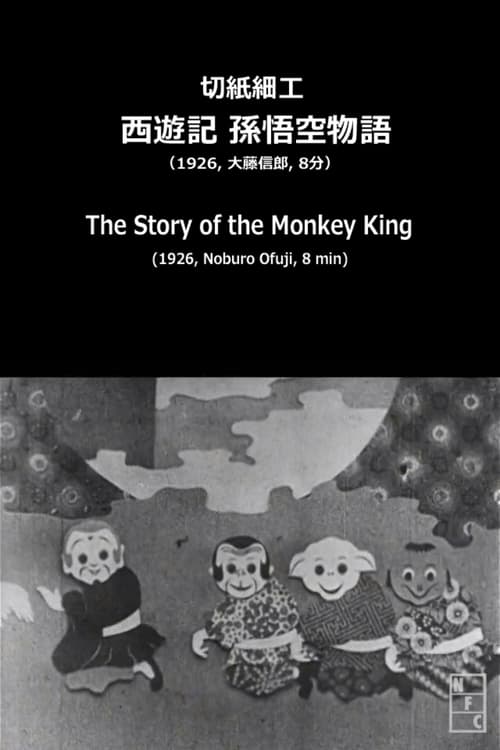
The Story of the Monkey King
1926
No user ratings available yet
Representation score: 2.4 out of 10
Representation Score
Limited
1982
TV-GDirector
Yoshikatsu Kasai
Runtime
65 minutes
Average Rating
No ratings yetNew Showbiz Analysis
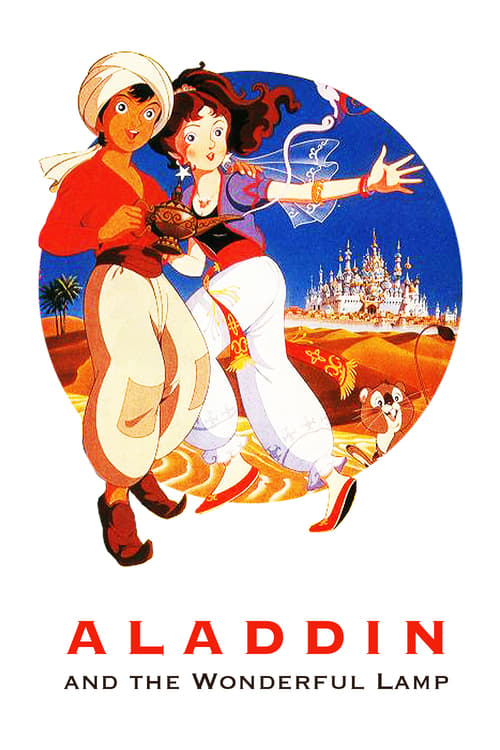
Aladdin and the Wonderful Lamp is a faithful, traditional adaptation of classical folklore. It prioritizes preserving the original text over contemporary social deconstruction or the subversion of established hierarchies. The film relies heavily on genre-standard clichés, particularly regarding romance and heroism. While the visual direction offers a unique aesthetic departure from typical anime through Westernized character designs, the narrative remains rooted in conventional storytelling. Ultimately, the production lacks intentionality regarding overlapping aspects of identity or the disruption of social norms, functioning instead as a classic, moralistic fable.
Category Breakdown
The film follows traditional romantic storylines between the protagonist and the princess. There is no depiction of diverse gender identities or same-sex relationships.
The story adheres to standard adventure fantasy clichés related to romance and heroism. Gender roles follow established genre conventions without challenging traditional hierarchies or presenting masculinity in new ways.
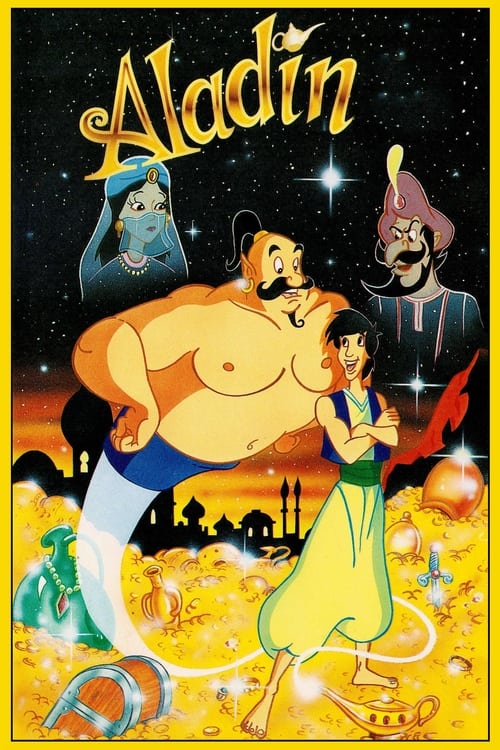
Character designs use a Westernized style that deviates from traditional anime aesthetics. The Middle Eastern setting serves as a typical genre backdrop without delving into specific ethnic identity.
As a faithful adaptation of classical folklore, the film emphasizes moral clarity and traditional heroism. It functions as a classic fable reinforcing values of destiny without challenging institutions.
There are no visible or invisible disabilities portrayed as central to the character arcs or the plot progression.
Present on Screen
Limited or Absent
Official Synopsis
This film stays very faithful to the original down to the smallest details, save for the kangaroo-rat that suddenly appears twenty minutes into the movie and subsequently follows Aladdin around, serving no purpose in the story but fulfilling the role of token animal mascot. The story takes some illogical and confusing jumps at the point where Aladdin begins to court the princess, and the extravagant animation that had characterised Toei films of the 60s, when Toei had the best animators around, had become a thing of the past long before this point; but this is still an above-average film, in large part because of the screenplay that stays so faithful to the original. The character designs are slightly more western-looking than one is accustomed to seeing in anime.
1926
1926
1962
1968
1974
1997
1996
1992
No reviews yet. Be the first to share your thoughts on this movie!
Use the rating form above to leave a star rating and optional review.