
It’s All Up With Auntie
1971
No user ratings available yet
Representation score: 2.6 out of 10
Representation Score
Fair
1954
Director
Edith Carlmar
Runtime
77 minutes
Average Rating
No ratings yetNew Showbiz Analysis
Nothing but Troubles is a class-driven social drama that prioritizes realism over idealized domesticity. It challenges mid-century gender roles by centering the mother and presenting a withdrawn, non-authoritative father. However, the film is limited by the demographic homogeneity of its 1954 Norwegian setting. It lacks depth regarding race and LGBTQ+ identities, functioning primarily as a study of working-class struggle. Ultimately, the film's progressive edge comes from its critical lens on state and family institutions. It refuses to romanticize poverty, opting instead for a gritty deconstruction of domestic order.
Category Breakdown
The film does not explicitly address non-straight relationships or same-sex intimacy. It centers on the nuclear family and conflicts with the state, avoiding derogatory stereotypes and maintaining traditional inclusion for its time.
Hulda serves as the central family hub, challenging traditional patriarchal structures. The father is portrayed as silent and withdrawn, while Maiken's pursuit of independence challenges mid-century expectations of submissive femininity.
The setting reflects the homogeneous demographic reality of 1954 Norway. There is no indication of racial blending or non-white casting, focusing instead on a localized study of class.
The film engages with social realism by depicting the family and police as sources of chaos. It prioritizes the struggles of the underrepresented over patriotic or religious ideals.
There is no information regarding the portrayal of physical or neurodivergent disabilities in this work.
Present on Screen
Limited or Absent
Official Synopsis
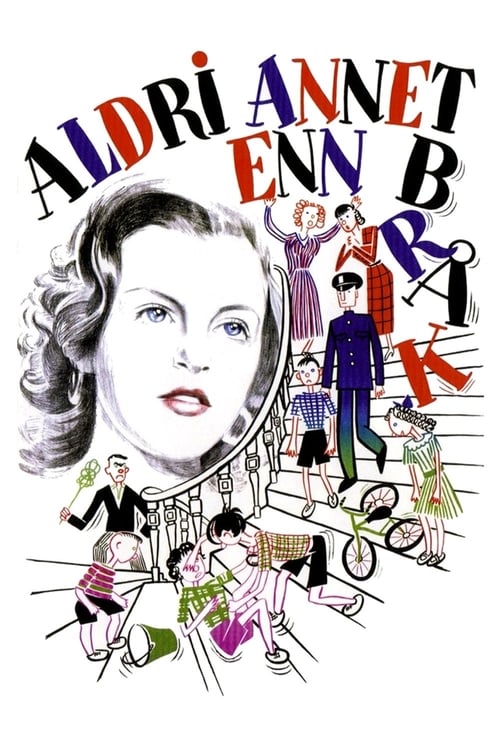
The working-class family Bråten is living in a top floor of a tenement house on the outskirts of Oslo. The family includes three sons and two daughters, mother and father in one room and kitchen. Mother Hulda is the family hub while Mr.Bråten itself is a silent and withdrawn worker. Children contribute in their own way to the neighbors are right when they exclaim: Never anything but trouble! There are problems for all when the police come into the picture after the one his son is participating in a car theft. Middle of all this chaos, 16-year-old Maiken (Vigdis Røising) moves out and seek questionable friends, which brings her into conflict with his father. A tragedy brings the family together again.
1971

1945

2000

1976

2001

1997

1945

1959
No reviews yet. Be the first to share your thoughts on this movie!
Use the rating form above to leave a star rating and optional review.