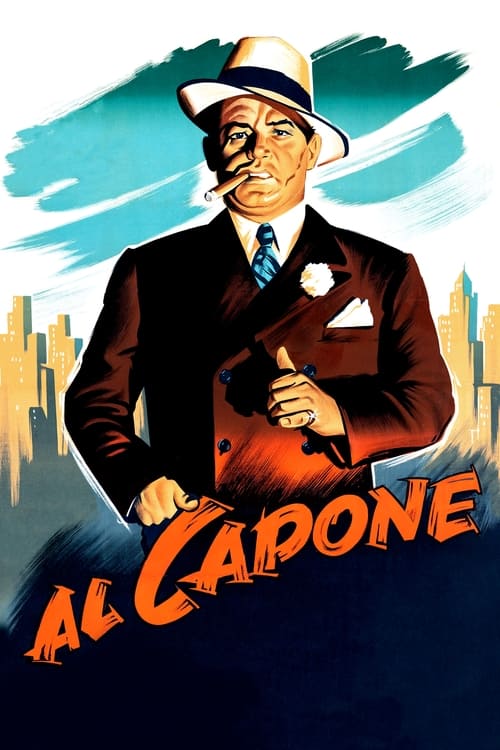
Al Capone
1959
No user ratings available yet
Diversity score: 2.7 out of 10
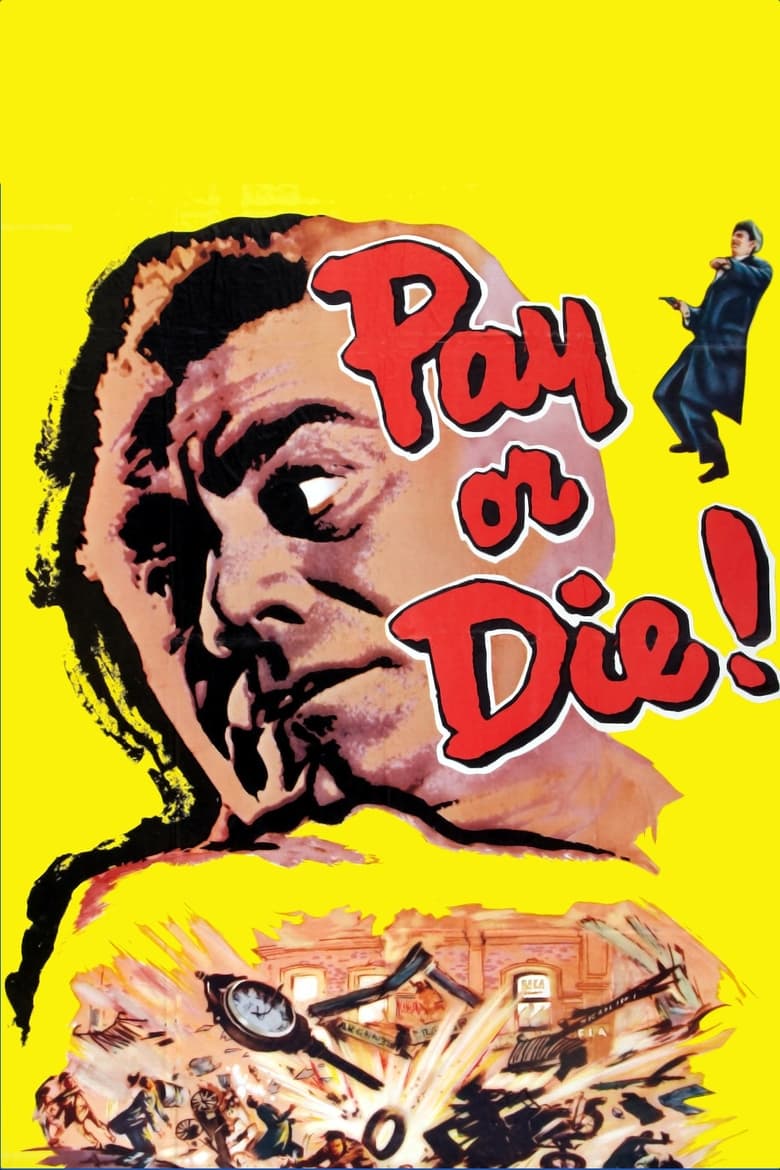
1960
Director
Richard Wilson
Runtime
111 minutes
Average Rating
No ratings yetSynopsis
A beautifully rendered, fact-based crime film about a crusading Italian policeman battling Black Hand extortionists in New York’s Little Italy is back on the big screen. In addition to Ernest Borgnine’s brilliantly sensitive portrayal as Lieutenant Joseph Petrosino, this engrossing picture is deftly photographed by Lucien Ballard, beautifully scored by David Raksin with a stellar supporting cast including Zohra Lampert and Alan Austin. Literate, suspenseful and emotionally moving, this memorable film remains the definitive depiction about the emergence of the Mafia in America.
Overall Score
Limited
Category Breakdown
LGBTQ+ Representation
The film lacks any presence of LGBTQ+ characters or non-cisnormative identities. It adheres strictly to the social and cinematic norms of 1960.
Gender Representation
The narrative prioritizes masculine leadership through the protagonist, Lieutenant Joseph Petrosino. While Zohra Lampert appears in the supporting cast, the plot centers on traditional male agency.
Racial & Ethnic Diversity
The film offers meaningful representation of Italian-American identity by centering an ethnic protagonist in a position of authority. This disrupts common tropes of minorities being purely peripheral or criminal.
Religious & Cultural Diversity
The story functions as a traditional biographical drama that reinforces the legitimacy of law enforcement. It emphasizes institutional stability rather than deconstructing Western social pillars.
Disability Representation
There is no documented evidence regarding the inclusion or portrayal of characters with physical or neurodivergent disabilities.
Strengths
Areas for Improvement
AI Analysis
Pay or Die! is a historical crime drama that finds strength in its specific ethnic centering. By portraying an Italian-American policeman as a figure of high agency, the film moves beyond the era's typical caricatures of ethnic minorities. However, the film remains a product of its time, operating within conventional mid-century social frameworks. It lacks intersectional complexity, focusing instead on a traditional masculine archetype and institutional authority. While the film provides a nuanced look at Little Italy, it lacks representation for LGBTQ+ identities and disability, maintaining a narrow, period-specific scope.
1959
1957
1973
1979
1957
2009
1952
1973
2008
1956
1938
1950
No reviews yet. Be the first to share your thoughts on this movie!
Use the rating form above to leave a star rating and optional review.