Essex Boys: Law of Survival
2015
No user ratings available yet
Diversity score: 2.2 out of 10
1959
ApprovedDirector
Richard Wilson
Runtime
104 minutes
Average Rating
No ratings yetSynopsis
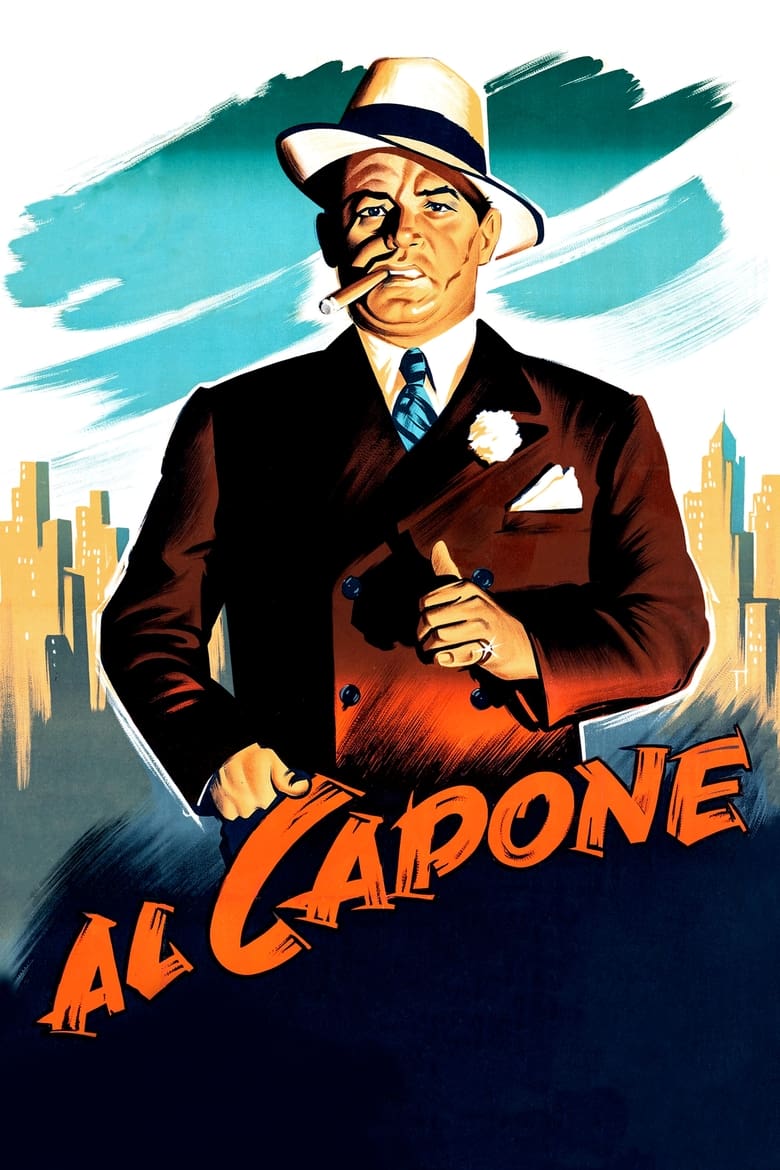
In this unusually accurate biography, small-time hood Al Capone comes to Chicago at the dawn of Prohibition to be the bodyguard of racketeer Johnny Torrio. Capone's rise in Chicago gangdom is followed through murder, extortion, and political fraud. He becomes head of Chicago's biggest "business," but moves inexorably toward his downfall and ignominious end.
Overall Score
Limited
Category Breakdown
LGBTQ+ Representation
The film lacks any visible presence of LGBTQ+ characters or non-cisnormative identities. It operates within a strictly heteronormative framework focused on male-centric social hierarchies.
Gender Representation
The narrative centers on a male-dominated hierarchy of organized crime. While female characters like Capone’s wife appear, they remain positioned within traditional domestic spheres with limited agency.
Racial & Ethnic Diversity
The film features a predominantly white cast reflecting the era's social constraints. It depicts Italian-American and Irish-American identities as a standard historical backdrop without subverting racial hierarchies.
Religious & Cultural Diversity
The story explores the corruption of the American Dream through individual criminality. It reinforces the authority of legal and tax institutions rather than offering a systemic critique of Western institutions.
Disability Representation
There is no significant focus on visible or invisible disabilities. Health issues serve primarily as a narrative device to facilitate the protagonist's ignominious end.
Strengths
Areas for Improvement
AI Analysis
Al Capone (1959) functions as a traditional biographical crime drama that adheres to the cinematic and social norms of its era. The film prioritizes the rise and fall of a single criminal figure, reinforcing established institutional authority and traditional social structures. The narrative lacks intersectional complexity, focusing instead on a male-dominated underworld. While it captures the ethnic textures of Prohibition-era Chicago, it does so through a lens of period-accurate social stratification rather than progressive subversion. Ultimately, the film serves as a historical window into the era's social hierarchies, emphasizing individual morality and the restoration of legal order over any systemic deconstruction of power.
No reviews yet. Be the first to share your thoughts on this movie!
Use the rating form above to leave a star rating and optional review.