
The Golden Lotus
1974
No user ratings available yet
Representation score: 5.4 out of 10
Representation Score
Good
1984
Director
Eddie Fong Ling-Ching
Runtime
102 minutes
Average Rating
No ratings yetNew Showbiz Analysis
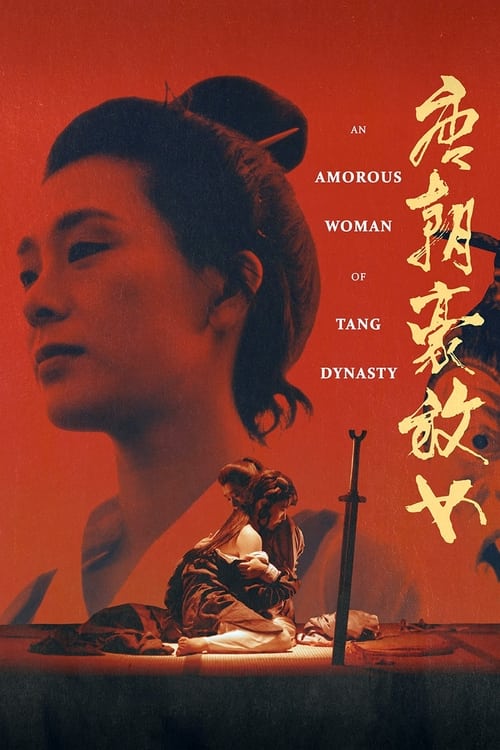
An Amorous Woman of Tang Dynasty stands out as a subversive period piece that emphasizes women's ability to drive the story and intellectualism. Instead of following traditional romantic clichés, the film uses its historical setting to dismantle patriarchal constraints and traditional marital structures. The protagonist's journey from a woman constrained by societal norms to a Taoist priestess allows for a nuanced exploration of identity. This transition enables the narrative to address themes of rebellion and personal desires against a backdrop of rigid social hierarchies. While the film remains culturally homogeneous, its focus on non-traditional lifestyles and queer intimacy provides a meaningful departure from conventional period-drama clichés.
Category Breakdown
The film challenges traditional gender roles through the protagonist's romantic relationship with her maid. This relationship questions conventional expectations and highlights the complexity of identity within the Tang Dynasty setting.
Yu Yuan-gi rejects the traditional roles assigned to women. By becoming a Taoist priestess, she prioritizes her intellectual pursuits over traditional feminine duties, reclaiming her independence and intellect.
Set within the Tang Dynasty, the film provides a deep dive into a non-Western historical context. It operates within a culturally specific, East Asian framework.
The narrative critiques rigid social structures by emphasizing individual autonomy over traditional stability. It portrays established societal norms as restrictive rather than inherently virtuous.
There is no discernible evidence regarding the portrayal of physical or neurodivergent disabilities in this work.
Present on Screen
Limited or Absent
Official Synopsis
Rebellious Yu Yuan-gi becomes a Taoist priestess in order to avoid traditional roles designated to her as a woman by the society and focus on her studies and poetry. However, her trysts with both her maid and a ronin lead to trouble.
1974

1954

1991
1992
1977
1994

2001
1986
No reviews yet. Be the first to share your thoughts on this movie!
Use the rating form above to leave a star rating and optional review.