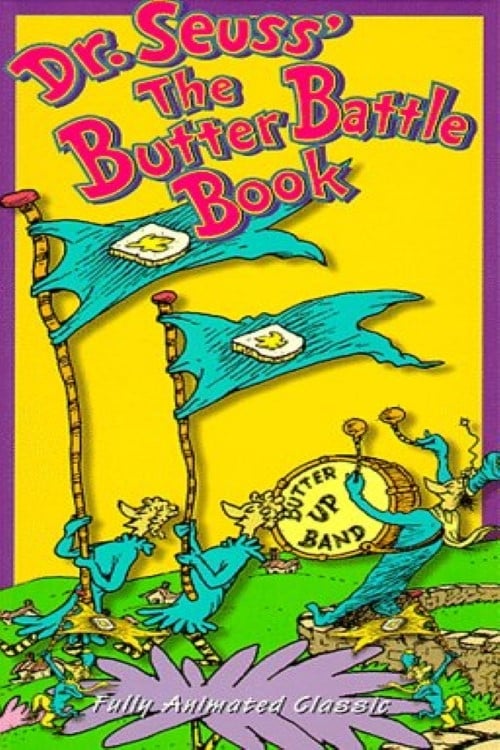
The Butter Battle Book
1989
No user ratings available yet
Representation score: 4.1 out of 10
Representation Score
Limited
1958
Director
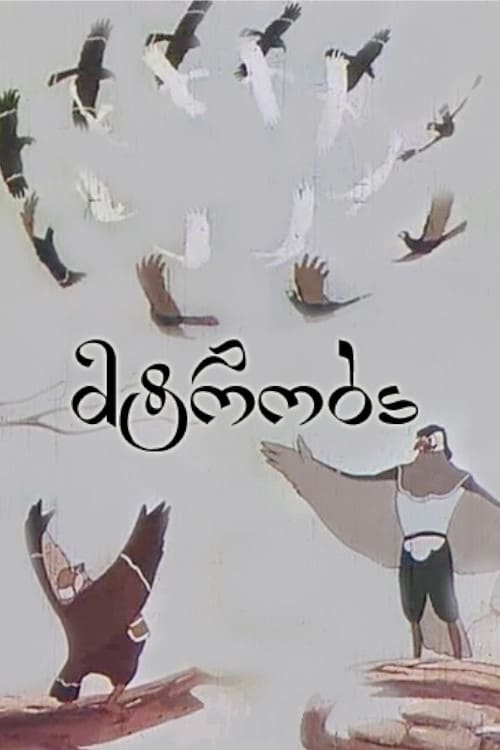
Arkadi Khintibidze
Runtime
25 minutes
Average Rating
No ratings yetNew Showbiz Analysis
Feud is a product of the 1958 Soviet animation era, adhering to the institutional norms of its time. While it provides a culturally specific Georgian viewpoint that avoids Western cinematic conventions, the narrative remains tied to traditional dramatic structures. The story relies heavily on classic clichés of noble enmity and family warfare. This focus on lineage and class-based conflict limits the potential for modern multi-layered or progressive representation. Ultimately, the film operates as a study of social dynamics through a traditionalist lens, offering cultural specificity without necessarily challenging contemporary standards of diversity.
Category Breakdown
The story focuses on a traditional conflict between a daughter and a son. There are no same-sex relationships or characters with non-binary gender identities.
Gender tensions between Mzia and Badri drive the plot. It's unclear if the female lead has a significant role in the story or if the film reinforces traditional gender roles.
As a Georgian production, the film offers a non-Western perspective. However, it emphasizes noble lineages and class distinctions rather than diverse ethnic backgrounds.
The film examines how family honor and noble lineage can cause systemic issues. The conflict seems rooted in traditional themes rather than modern social critiques.
The film does not include any characters with physical or neurological differences.
Present on Screen
Limited or Absent
Official Synopsis
Due to the argument between their daughter Mzia and son Badri, two noble families of Shevardnadze and Koridze become enemies and the their enmity leads to a war.
1989
1967
1970
1940
1964
1973
1958
1967
No reviews yet. Be the first to share your thoughts on this movie!
Use the rating form above to leave a star rating and optional review.