Madly
2016
No user ratings available yet
Representation score: 6.8 out of 10
Representation Score
Good
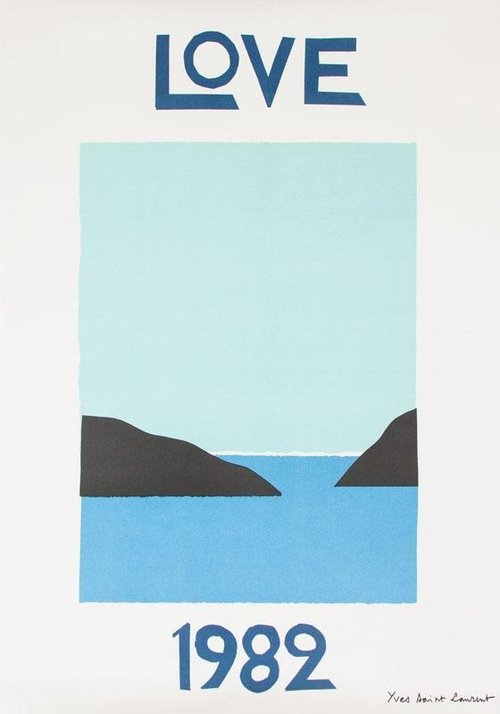
1982
Director
Nancy Dowd, Mai Zetterling, Annette Cohen, Liv Ullmann
Runtime
105 minutes
Average Rating
No ratings yetNew Showbiz Analysis
Love (1982) is a radical departure from traditional cinematic structures, using a collective of female directors to dismantle patriarchal hierarchies and center female perspectives. The film's strength lies in its structural subversion of gendered power dynamics, providing a multifaceted exploration of womanhood that resists submissive clichés. However, the work lacks clarity regarding racial and disability representation, with the vignettes possibly focusing too heavily on Eurocentric perspectives of intimacy.
Category Breakdown
While specific LGBTQ identities are not explicitly confirmed, the film's female-led production hints at exploring non-straight relationships or challenging assumptions about heterosexual norms.
Women are placed in total control of writing and directing, subverting traditional hierarchies and presenting themselves as primary agents of their own emotional realities.
The directorial collective includes diverse international backgrounds, though the specific racial composition of the vignettes remains unverified and may lean toward a Eurocentric focus.
The anthology focuses on subjective emotional truth rather than institutionalized religious or traditional moralities, presenting human connection as a complex, fragmented experience.
No information is available regarding the portrayal of neurodivergence or physical disability in this work.
Present on Screen
Limited or Absent
Official Synopsis
A unique anthology of six short vignettes on the subject of love, all of them written, directed and produced by women.
2016
1977
1986
2000
2010
1995
2021
1991
No reviews yet. Be the first to share your thoughts on this movie!
Use the rating form above to leave a star rating and optional review.