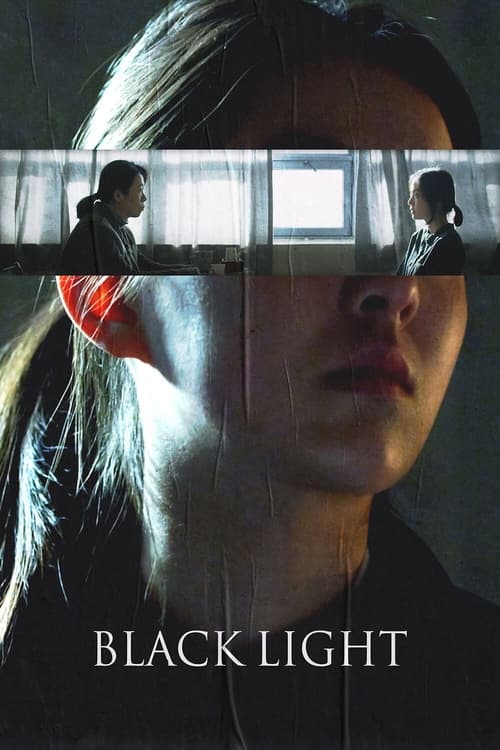
Black Light
2021
No user ratings available yet
Diversity score: 5.1 out of 10

2017
Not RatedDirector
Kim Tae-yun
Runtime
119 minutes
Average Rating
No ratings yetSynopsis
A taxi driver is found dead, and Hyun-woo, the only witness, charged with a murder and serves 10 years in prison. While offering pro bono services, a lawyer Junyoung meets Hyun-woo, and they begin their journey to prove his innocence.
Overall Score
Fair
Category Breakdown
LGBTQ+ Representation
The narrative focuses on legal justice and wrongful conviction rather than sexual orientation. There is a lack of explicit LGBTQ+ character development or queer-coded subtext within the core cast.
Gender Representation
While male protagonists drive the central conflict, the film avoids traditional patriarchal tropes. It portrays legal and social systems as broken, necessitating a grassroots reclamation of justice.
Racial & Ethnic Diversity
As a South Korean production, the film operates within a culturally homogeneous setting. It addresses 'othering' through the lens of social class and the status of a convict.
Religious & Cultural Diversity
The film excels in critiquing state authority and traditional legal institutions. It highlights the distinction between procedural law and true justice, challenging established power structures.
Disability Representation
The film explores the psychological and social marginalization imposed by incarceration. It uses the protagonist's ten years in prison as a metaphor for the loss of agency.
Strengths
Areas for Improvement
AI Analysis
New Trial is a sophisticated legal drama that prioritizes the deconstruction of institutional authority over demographic representation. The film's strength lies in its narrative architecture, which challenges the sanctity of the judicial system and frames the struggle for truth as a rebellion against a corrupt status quo. While the film lacks high scores in explicit identity-based representation, such as multi-ethnic casting or LGBTQ+ development, it finds depth in its critique of systemic power. It successfully shifts the focus from a standard crime trope to the systemic corruption that facilitates injustice. Ultimately, the film celebrates the agency of the systemic underdog. It uses the protagonist's journey from victim to reformer to examine how institutional rigidity can crush individual truth.
2021
2016

2011

2023

2017
1996
2024

2020
2020

2016
2023

2018
No reviews yet. Be the first to share your thoughts on this movie!
Use the rating form above to leave a star rating and optional review.