
In Her Name
2016
No user ratings available yet
Representation score: 2.9 out of 10
Representation Score
Good
2021
Director
Bae Jong-dae
Runtime
107 minutes
Average Rating
No ratings yetNew Showbiz Analysis
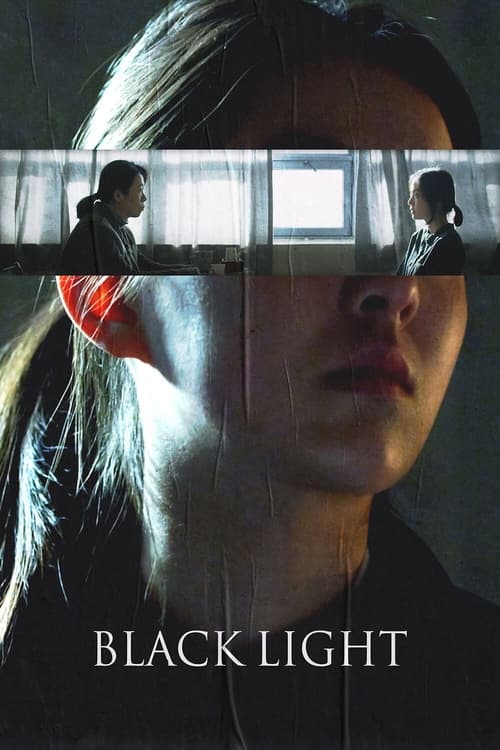
Black Light highlights women's ability to drive the story through Hee-ju, who evolves from a grieving widow into an active investigator. This transformation offers a fresh take on traditional gender roles in tragedy. The film also benefits from its South Korean setting, providing a non-Western perspective on crime and morality. This cultural backdrop allows for a nuanced exploration of guilt and truth that avoids Western cinematic clichés. However, the film lacks visible LGBTQ+ representation and diverse secondary characters. The use of a coma as a plot device raises questions about how disability is portrayed.
Category Breakdown
The story focuses on a married couple, emphasizing a traditional family structure. There are no clear representations of LGBTQ+ identities or characters who challenge straight-centered assumptions.
Hee-ju takes an active role as the protagonist, investigating the accident rather than being a passive victim of grief. She challenges the typical portrayal of women in tragic circumstances.
This South Korean film presents a unique cultural perspective, offering a non-Western viewpoint on crime and morality. The cast and setting reflect a distinct cultural context outside of Western cinema.
The film delves into complex moral themes, moving away from simple binary morality. It focuses on the intricacies of guilt and psychological complexity, avoiding straightforward moral judgments.
A character in a coma serves as a central plot device. It is unclear whether this disability is portrayed with depth or simply used as a narrative tool.
Present on Screen
Limited or Absent
Official Synopsis
After a car accident leaves one man dead and another in a coma, it's believed that the dead man was at fault. Guilt-ridden, his wife, Hee-ju, struggles to move forward. She ends up learning that the victim had previously tried to kill himself. Suspecting the accident may have been on purpose, she begins an investigation.
2016

2016

2017
2017
2011

2020
2018

2022
No reviews yet. Be the first to share your thoughts on this movie!
Use the rating form above to leave a star rating and optional review.