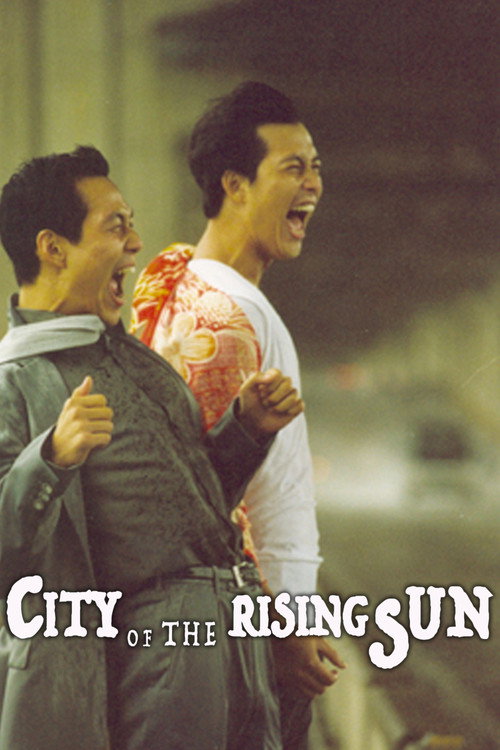
City of the Rising Sun
1999
No user ratings available yet
Representation score: 4.1 out of 10
Representation Score
Fair
2016
Director
Jung Hee-Sung
Runtime
103 minutes
Average Rating
No ratings yetNew Showbiz Analysis
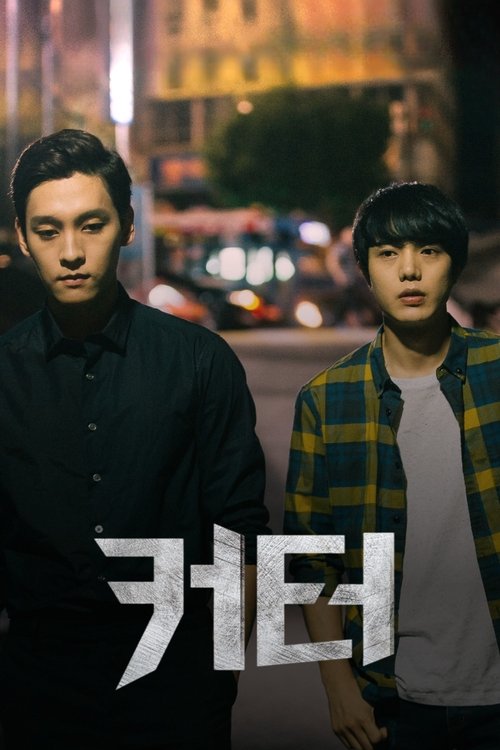
Eclipse is a character-driven crime drama that prioritizes socioeconomic struggle over identity-based representation. The film finds its depth in the tension between individual survival and systemic pressures, using economic necessity to complicate traditional moral binaries. While the film engages with the precariousness of the working class, it remains limited by traditional dramatic clichés. The narrative structure is heavily male-centric, often relegating female characters to supporting roles that drive the male protagonist's motivations. Ultimately, the film lacks significant representation of LGBTQ+ identities or neurodivergence. It functions as a culturally homogeneous exploration of crime and survival within a specific South Korean context.
Category Breakdown
The film does not include any visible LGBTQ+ characters or non-assuming gender matches what was assigned at birth identities. It focuses on a traditional male-centric crime and drama dynamic.
The narrative centers on male characters and the relationship between Yoon-jae and Se-joon. Female characters, such as the sickly mother, serve primarily as plot catalysts rather than independent agents.
As a South Korean production, the cast is culturally homogeneous. The film does not attempt to disrupt ethnic hierarchies or utilize diverse casting to challenge norms.
The story critiques systemic failures and socioeconomic instability. It frames criminal activity as a survival mechanism driven by economic desperation.
Chronic illness is portrayed through the protagonist's mother. However, this functions as a narrative device to create urgency rather than a nuanced exploration of disability.
Present on Screen
Limited or Absent
Official Synopsis
Yoon-jae moves to a new high school and starts hanging out with Se-joon, a mysterious student. Needing money for his sickly mother, Yoon-jae accepts a job offer by Se-joon. However, he doesn't exactly know what it is.
1999

2009

2023
2001
2020
2003
1958

2014
No reviews yet. Be the first to share your thoughts on this movie!
Use the rating form above to leave a star rating and optional review.