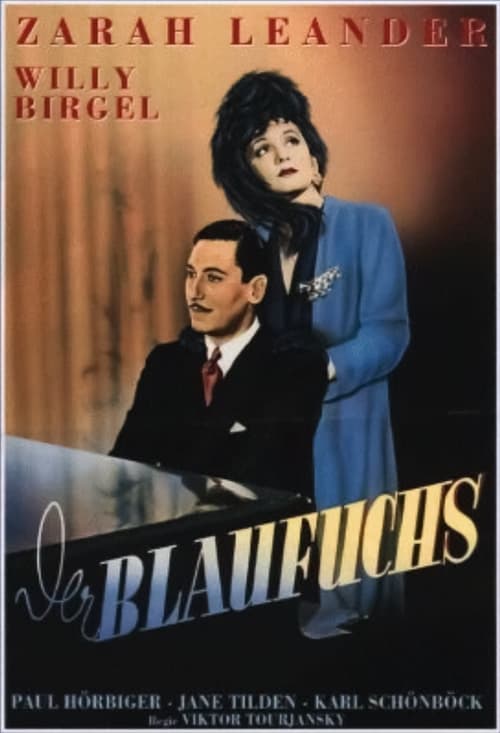
Der Blaufuchs
1938
No user ratings available yet
Diversity score: 2.7 out of 10
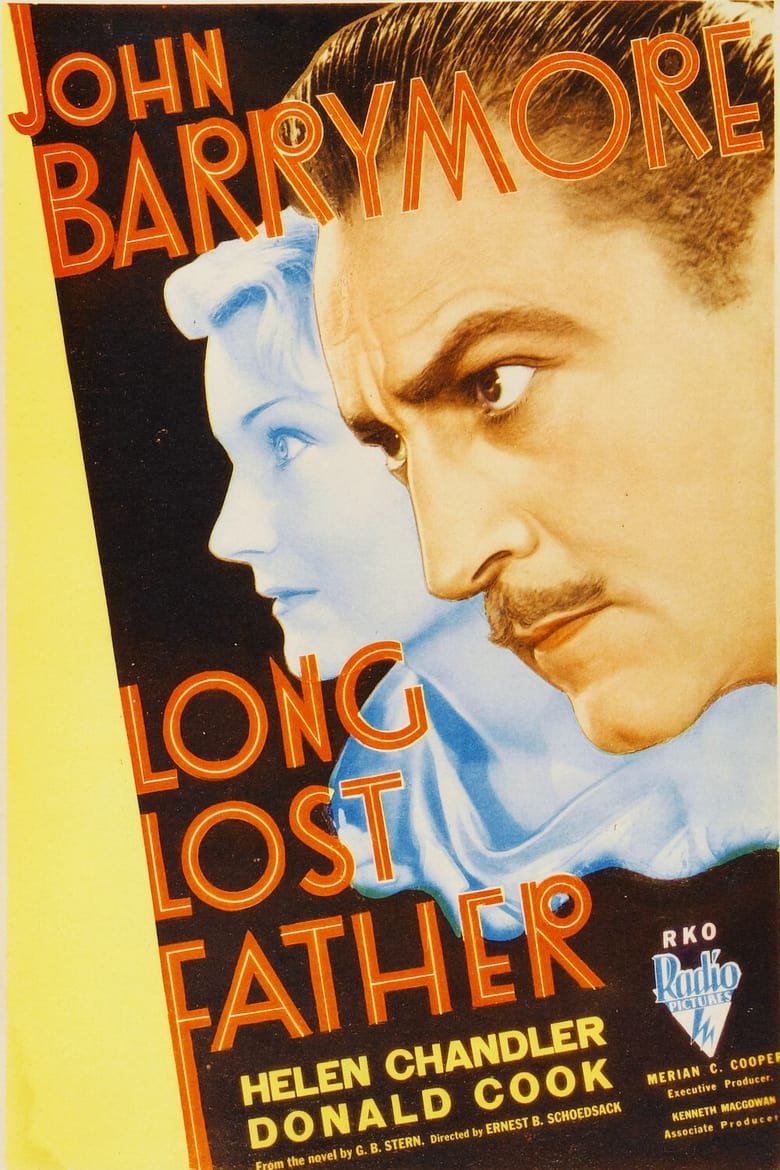
1934
PassedDirector
Ernest B. Schoedsack
Runtime
63 minutes
Average Rating
No ratings yetSynopsis
A long-absent father is reunited with his daughter, who still holds a grudge that he had deserted his family years earlier.
Overall Score
Limited
Category Breakdown
LGBTQ+ Representation
The film focuses on a traditional domestic reconciliation. There is no evidence of non-cisnormative identities or narratives that challenge heteronormative standards.
Gender Representation
The story centers on a daughter's grudge against her father. While she shows emotional agency, the plot likely prioritizes restoring the patriarchal family unit.
Racial & Ethnic Diversity
Reflecting 1934 Hollywood norms, the film appears to focus on Western domesticity. There is no evidence of a diverse or non-Anglo-Saxon cast.
Religious & Cultural Diversity
The narrative emphasizes the sanctity of the nuclear family. It prioritizes resolving interpersonal conflicts to stabilize traditional Western social structures.
Disability Representation
There is no indication of characters with visible or invisible disabilities within the narrative.
Strengths
Areas for Improvement
AI Analysis
Long Lost Father is a period-specific domestic drama that adheres strictly to the social and cinematic hierarchies of 1934. The plot revolves around a daughter's emotional conflict with her deserting father, a theme that reinforces traditional family structures rather than challenging them. The film lacks intersectional depth, offering little in the way of racial, gender, or LGBTQ+ subversion. It functions as a standard mid-century melodrama centered on the restoration of the patriarchal unit. Ultimately, the work serves as a reflection of early Hollywood's homogeneous casting and conservative narrative values, prioritizing domestic stability over social critique.
1938
1932

1932
1940
No reviews yet. Be the first to share your thoughts on this movie!
Use the rating form above to leave a star rating and optional review.