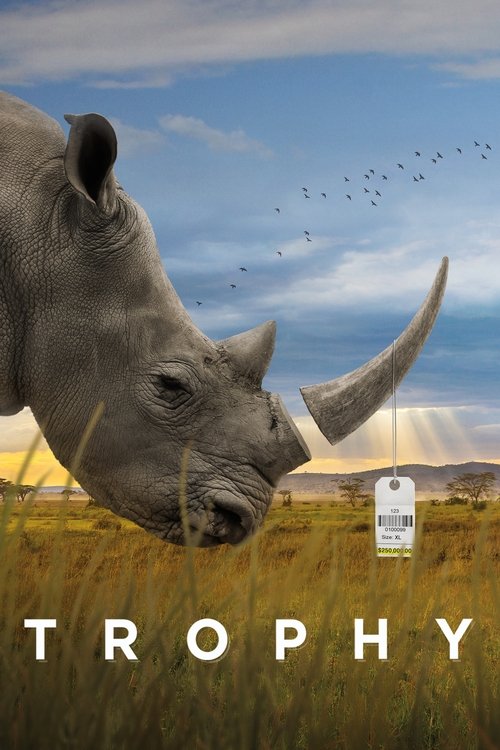
Trophy
2017
No user ratings available yet
Representation score: 3.8 out of 10
No Poster Available
Representation Score
Good
2009
PGDirector
David E. Simpson
Runtime
85 minutes
Average Rating
No ratings yetNew Showbiz Analysis
Milking the Rhino prioritizes the voices of the Maasai and Ovahimba peoples, offering a grounded look at Indigenous African life through the lens of conservation. By centering these communities, the documentary provides depth to their cultural and economic struggles as their lands become protected reserves. The film effectively highlights the complex tensions between tradition and modernity, specifically how external economic forces impact ancient tribal structures. It explores the shift from cattle farming to tourism as a means of survival, presenting the economic realities of community-based conservation without glossing over the dangers of drought. While the work lacks specific focus on gender dynamics, disability, or LGBTQ+ issues, its commitment to authentic representation of these communities is its primary strength. The narrative remains firmly rooted in the lived experiences of the villagers, making it a compelling study of human-nature relationships.
Category Breakdown
The film does not feature LGBTQ+ characters or same-sex relationships. Its focus remains on community dynamics, land use, and economic survival rather than sexual identity.
Narrative centers on communal survival and cattle farming, roles traditionally held by men in these cultures. No specific female-led plot points are detailed in the provided context.
The film centers on the Maasai and Ovahimba peoples, featuring Indigenous African communities as the primary subjects. Their perspectives drive the exploration of conservation and tourism.
It examines the tension between traditional pastoralist lifestyles and modern conservation efforts. The film questions how external economic forces impact ancient tribal structures and land rights.
No characters with physical or mental disabilities are mentioned in the synopsis or cast list. The focus remains on environmental and socioeconomic challenges.
Present on Screen
Limited or Absent
Official Synopsis
The documentary examines the relationship between the indigenous African wildlife, the villagers who live amongst this wildlife and conservationists who look to keep tourism dollars coming in. Both the Massai of Kenya and the Ovahimba of Namibia have spent centuries as cattle farmers. With their lands being turned into protected game reserves, these ancient tribes have turned to tourism as a means of survival. While some environmentalists think that community-based conservation is ideal for these villagers, the dangers of drought and the starvation of their cattle remains a constant reality.
2017
2004
1999
2019
2022
2014
2024
2010
No reviews yet. Be the first to share your thoughts on this movie!
Use the rating form above to leave a star rating and optional review.