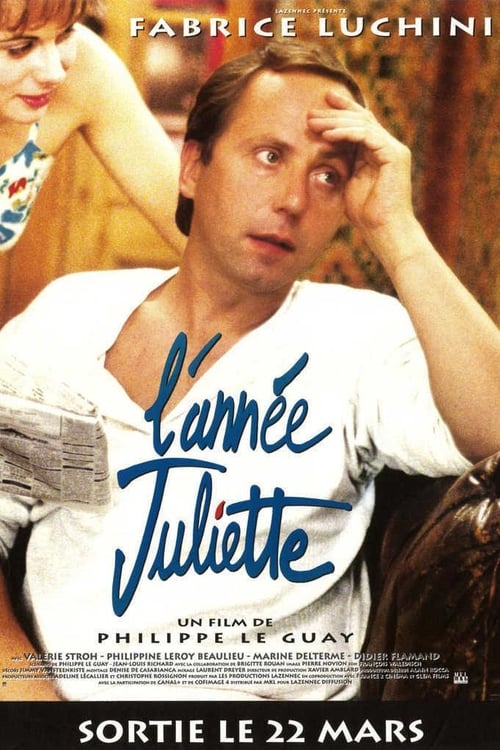
The Juliette Year
1995
No user ratings available yet
Diversity score: 4.4 out of 10

1996
Director
Anders Thomas Jensen, Tomas Villum Jensen
Runtime
12 minutes
Average Rating
No ratings yetSynopsis
The businessman Ernst has just landed in the airport and is on his way home to his wife. Its raining heavy outside and therefore he takes a hitchhiker with him. They start a conversation about the value of life and soon it becomes evident to the spectators that the hitchhiker is Jesus Christ, but Ernst is in too much of a rush to go back to his wife to notice.
Overall Score
Fair
Category Breakdown
LGBTQ+ Representation
The film focuses on a metaphysical encounter between a businessman and a divine figure. There is no evidence of LGBTQ+ characters or narratives addressing non-heteronormative identities.
Gender Representation
The narrative centers on the male experience through the interaction of Ernst and the hitchhiker. While a wife is mentioned, the film does not actively center female agency.
Racial & Ethnic Diversity
As a localized Danish comedy, the film appears to reflect a homogeneous demographic. The cast likely follows a traditional Western cinematic composition without diverse casting.
Religious & Cultural Diversity
The film uses religious iconography to critique capitalist pursuits. By portraying Jesus as a casual hitchhiker, it disrupts traditional reverence and explores morality through absurdity.
Disability Representation
There is no information regarding the inclusion of characters with visible or invisible disabilities within the provided narrative.
Strengths
Areas for Improvement
AI Analysis
Ernst & the Light is a philosophical satire that prioritizes existential inquiry over demographic breadth. It functions as a character-driven Danish comedy that uses surrealism to deconstruct social norms and traditional belief systems. The film excels in cultural representation by subverting religious authority through situational irony. However, it lacks diversity in terms of race, gender, and LGBTQ+ identities, focusing instead on a narrow, male-centric metaphysical journey. Ultimately, the work is a study of how modern, secular lifestyles can render spiritual authority invisible, trading traditional representation for a postmodern critique of institutional sanctity.
1995
2015
1999
1999
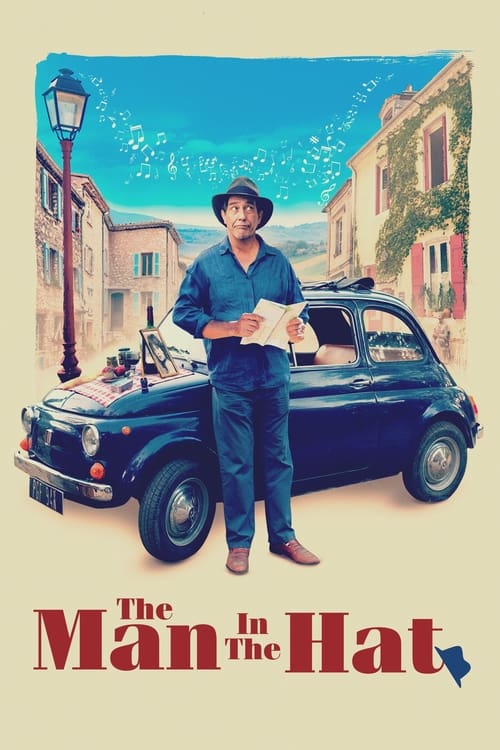
2020

2001

2001

2001
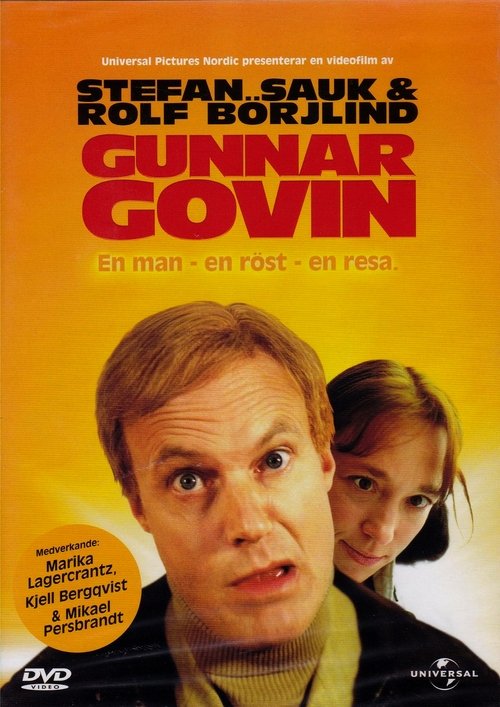
2003
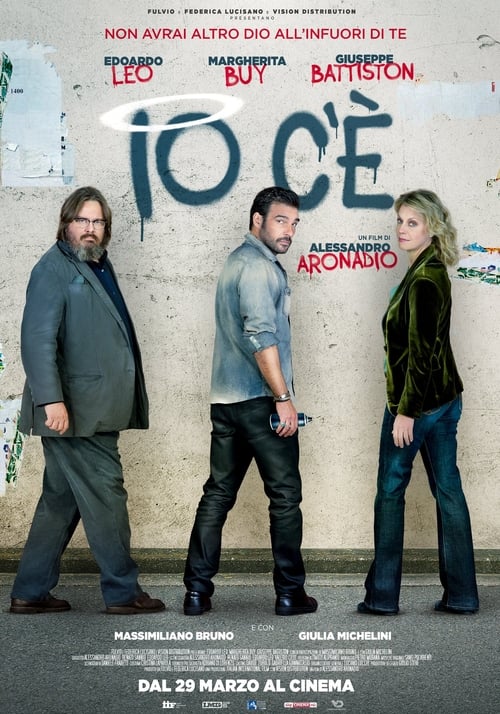
2018

2002
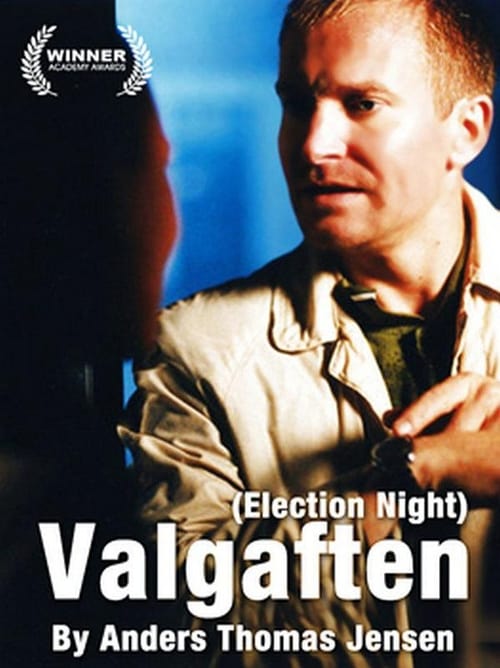
1998
No reviews yet. Be the first to share your thoughts on this movie!
Use the rating form above to leave a star rating and optional review.