
La poulette grise
1947
No user ratings available yet
Representation score: 0.0 out of 10
Representation Score
Minimal
1944
Director
Norman McLaren
Runtime
4 minutes
Average Rating
No ratings yetNew Showbiz Analysis
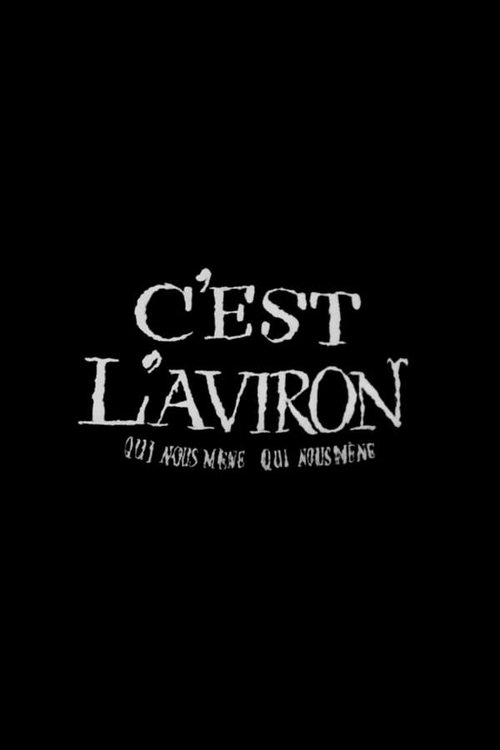
Rock the Boat is a formalist, experimental animation that emphasizes the synchronization of visual movement and auditory folk traditions over character-driven storytelling. Using non-representational white gouache drawings on black cards, the film lacks human subjects necessary to explore social identity or interpersonal dynamics. While the film preserves French-Canadian folk music traditions, it remains neutral regarding characters who reflect more than one aspect of diversity. It neither promotes nor disrupts social hierarchies, as it exists outside the framework of identity politics. Ultimately, Rock the Boat functions as a technical study of rhythm and motion, serving primarily as a sensory experience rather than a vehicle for social commentary or diverse casting.
Category Breakdown
Since the film contains no characters or depictions of intimacy, there is no engagement with LGBTQ narratives.
Without a narrative structure, the film cannot depict gender roles or social dynamics. It focuses solely on geometric and rhythmic abstraction.
The film lacks a visual cast and is centered around French-Canadian folk music. It functions as a monochromatic study rather than a diverse visual tapestry.
The work highlights specific French-Canadian folk traditions but lacks subversive elements or critiques of Western institutions. It focuses on traditional artistic expression.
As there are no characters or sentient beings depicted, the film cannot represent neurodivergence or physical disabilities.
Present on Screen
Limited or Absent
Official Synopsis
One of a series of French-Canadian folk songs, this film was illustrated by Norman McLaren for the Chants populaires series. White gouache drawings on black cards were photographed with overlapping ‘zooms’ to suggest the forward movement of a canoe along rivers and lakes. This film appears in Chants populaires no. 5 and in Chants populaires no. 6.
1947
1947
1939
1940
1929
1941
1946
1936
No reviews yet. Be the first to share your thoughts on this movie!
Use the rating form above to leave a star rating and optional review.