
The Village Festival
1930
No user ratings available yet
Representation score: 1.9 out of 10
Representation Score
Limited
1929
Director
Noburô Ôfuji
Runtime
3 minutes
Average Rating
No ratings yetNew Showbiz Analysis
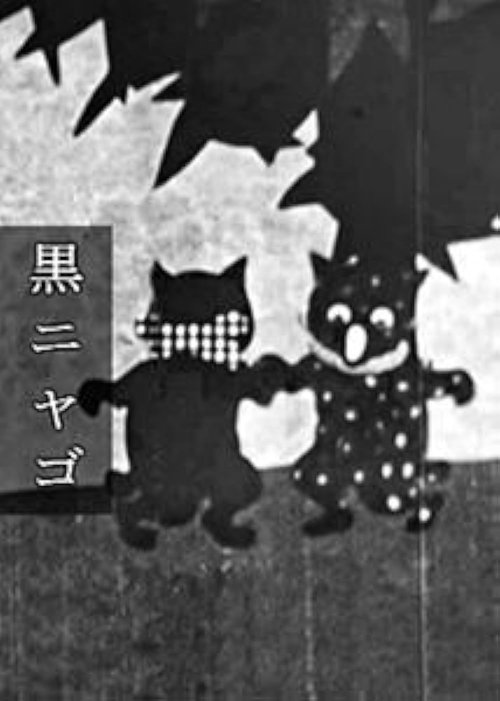
Noburô Ôfuji’s *The Black Cat* is a pioneering piece of cinematic history, celebrated more for its technical innovation than for its social commentary. By using *kiri-e* (cutout animation), Ôfuji challenged the Western dominance of the animation industry in the late 1920s. While the film does not delve into identity politics or complex social hierarchies, its significance lies in its cultural expression. It offers a non-Western perspective on animation through a stylized, folkloric lens. Ultimately, the film’s brevity and focus on a non-human subject limit its potential for deep character development. It remains a foundational milestone of artistic expression rather than a study of social representation.
Category Breakdown
The film does not include any characters or stories related to LGBTQ+ identities. It centers around a single character performance without addressing non-straight relationships.
A non-human protagonist allows for a break from traditional human gender roles. However, the film does not challenge traditional masculinity or provide much female influence.
As a landmark of Japanese animation, the work represents a significant shift away from Western-centric animation traditions. It serves as a vital expression of non-Western artistic expression.
The film operates mainly as a musical and technical demonstration rather than a platform for religious or political messages. It functions primarily as experimental art.
There are no characters with visible or invisible disabilities. The film does not address neurodivergence or physical impairments.
Present on Screen
Limited or Absent
Official Synopsis
A black cat sings and dances, animated using cut-outs.
1930

1938
1934

1947
1931
1933
1947
1940
No reviews yet. Be the first to share your thoughts on this movie!
Use the rating form above to leave a star rating and optional review.