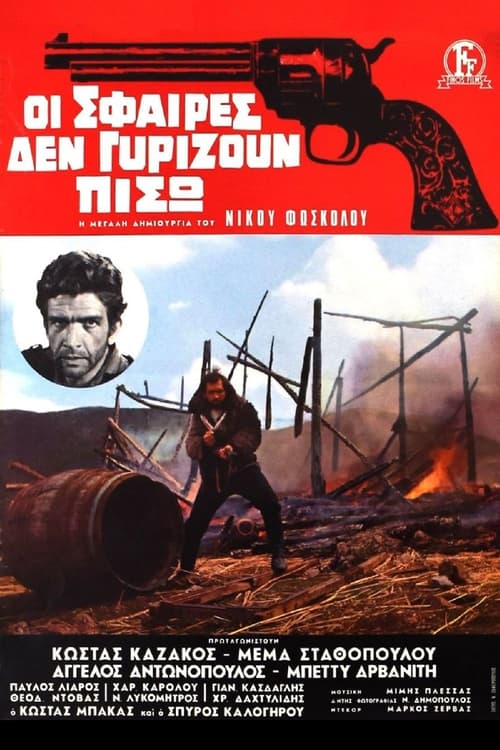
Bullets Don't Come Back
1967
No user ratings available yet
Representation score: 1.9 out of 10
Representation Score
Limited
1984
Director
Fabrizio De Angelis
Runtime
91 minutes
Average Rating
No ratings yetNew Showbiz Analysis
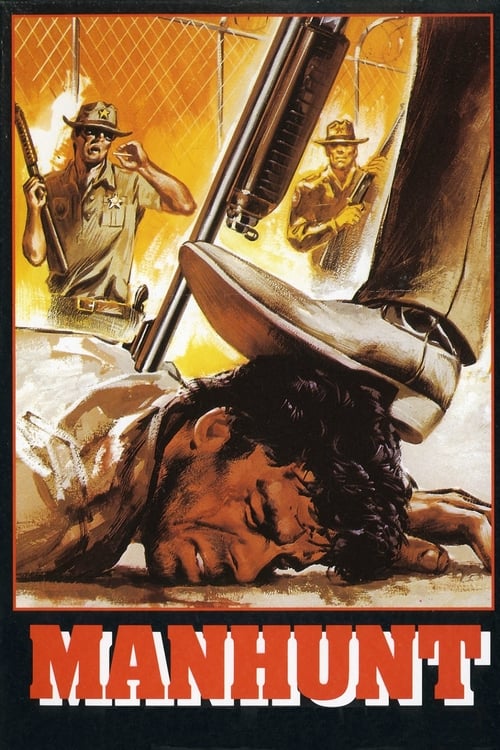
Man Hunt operates as a traditional 1980s action-thriller, emphasizing fast-paced action and genre clichés over social commentary. The story centers on an individual's struggle for survival against legal and personal challenges. The film does not intentionally address multiple aspects of diversity. It leans on conventional Western archetypes and casting practices, limiting its engagement with varied identities or critical examinations of institutions. Ultimately, the narrative structure aligns with the demands of the exploitation genre rather than seeking to challenge or disrupt cinematic norms.
Category Breakdown
The film does not include any characters or narratives related to LGBTQ+ identities.
The story focuses primarily on the male lead, Christopher Connelly, with no strong female characters or subversion of traditional gender roles.
Set in Arizona, the film follows typical 1980s action casting practices, relying on traditional Western archetypes without significant ethnic diversity.
The plot revolves around a 'wronged man' cliché, focusing on a survival story rather than critiquing societal institutions.
There are no characters with visible or invisible disabilities, nor are such characters used as plot devices.
Present on Screen
Limited or Absent
Official Synopsis
A young man buys two horses at an Arizona race track but fails to get a receipt. Later, when riding across the land of a rancher named Robeson, he's accused of stealing the two horses. Unable to prove ownership, the young man is then sentenced to prison where he's forced to do chain-gang type work. He escapes, is recaptured, and escapes again as he tries to locate the man who sold him the horses.
1967

1968

1967
1981
1968
1980
1987
1941
No reviews yet. Be the first to share your thoughts on this movie!
Use the rating form above to leave a star rating and optional review.