
Overkill
1996
No user ratings available yet
Representation score: 2.4 out of 10
Representation Score
Minimal
1996
RDirector
Luca Bercovici
Runtime
96 minutes
Average Rating
No ratings yetNew Showbiz Analysis
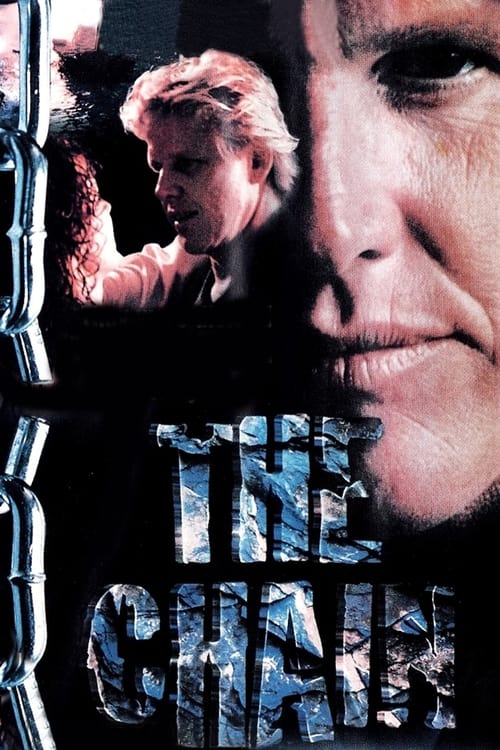
The Chain is a typical mid-90s action thriller that leans on genre standards rather than exploring diverse identities. The film reinforces existing social hierarchies through its narrative structure. Representation is limited to a homogeneous, male-centric perspective, reflecting the era's standard casting and storytelling practices.
Category Breakdown
The film does not include any LGBTQ+ characters or explore non-straight identities. It follows the conventional gender binaries and assumptions that everyone is straight or cisgender.
The narrative centers around male characters and their roles. Female characters are not present in key positions, reinforcing the typical masculine archetypes of the time.
Set in South America, the cast remains mostly white. ability to act is focused on a homogeneous group, ignoring the ethnic diversity of the region.
The film critiques institutional corruption within prisons but does not delve into deeper cultural or religious themes. It relies on standard genre clichés.
There are no significant portrayals of visible or invisible disabilities. Characters are defined by their physical abilities and combat skills.
Present on Screen
Limited or Absent
Official Synopsis
When unjustly imprisoned in a South American jail, a tough cop and a renegade arms dealer must set aside their differences to escape.
1996
1981
1988
2004

2025
1989
1990
1996
No reviews yet. Be the first to share your thoughts on this movie!
Use the rating form above to leave a star rating and optional review.