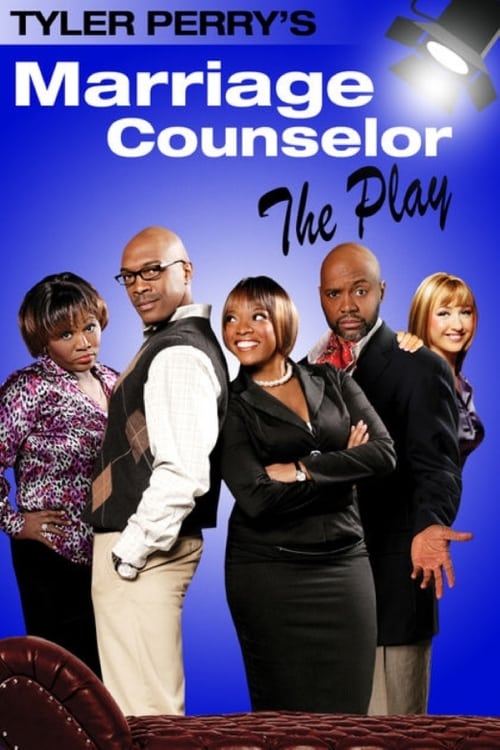
Tyler Perry's The Marriage Counselor - The Play
2009
No user ratings available yet
Representation score: 3.2 out of 10
Representation Score
Limited
2006
UnratedDirector
Tyler Perry
Runtime
131 minutes
Average Rating
No ratings yetNew Showbiz Analysis
The film highlights an exclusively African American cast, challenging stereotypes about Black socioeconomic status by depicting a middle-class lifestyle in a luxurious setting. However, the narrative structure reinforces traditional Western and religious values, emphasizing the sanctity of the nuclear family and Christian morality. While the film centers strong female characters, it remains strictly straight-centered and does not include LGBTQ+ identities or people with disabilities.
Category Breakdown
The film focuses solely on heterosexual marriages and does not represent non-binary gender identities or same-sex relationships.
The film centers the emotional labor and ability to act of female protagonists. Women are depicted as the primary drivers of dialogue and resolution, often showing more resilience than the men.
The film features an all-African American cast and showcases a middle-class lifestyle in a luxurious setting, challenging typical stereotypes about Black socioeconomic status.
The story emphasizes a traditional Christian moral framework, focusing on the sanctity of the nuclear family as the main lens for resolving conflicts.
There are no characters with visible or invisible disabilities, and disability is not used as a plot device.
Present on Screen
Limited or Absent
Official Synopsis
From acclaimed and award-winning playwright Tyler Perry comes a sensational new stage play about love, faith and the joys--and trials--of marriage. When a sexy young temptress threatens an already troubled marriage, a close-knit family rallies together to examine their own marriages and to rediscover the precious reason that the one they have is the one they want forever.
2009
2006

2012

2001

2012

2005

2010

2011
No reviews yet. Be the first to share your thoughts on this movie!
Use the rating form above to leave a star rating and optional review.