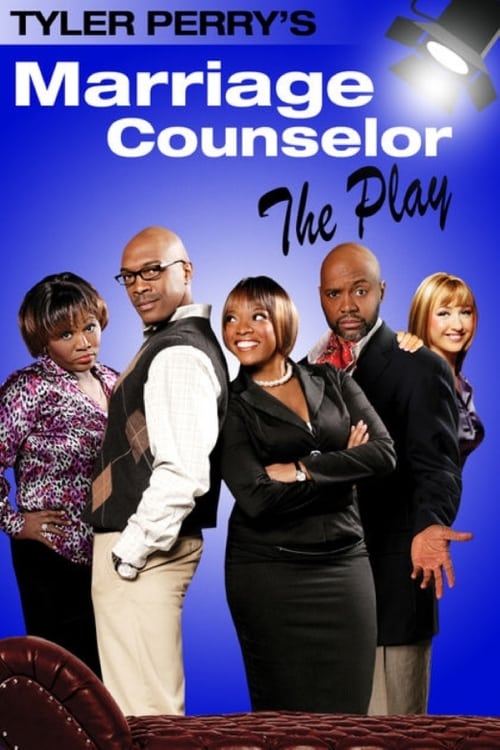
Tyler Perry's The Marriage Counselor - The Play
2009
No user ratings available yet
Representation score: 3.2 out of 10

Representation Score
Fair
2012
Not RatedDirector
Tyler Perry
Runtime
105 minutes
Average Rating
No ratings yetNew Showbiz Analysis
The production highlights a predominantly Black cast and centers the Black experience, providing a high level of cultural specificity. However, it remains firmly within traditional social frameworks, emphasizing conventional family units and religious stability. While it subverts gender hierarchies through strong female figures, it maintains a conservative approach to broader social and identity-based representation.
Category Breakdown
The film does not include explicit LGBTQ+ characters or storylines, focusing instead on traditional relationships such as marriage, divorce, and biological parenthood.
Female characters play a significant role in driving the story, especially through the influence of Aunt Bam. Men are present, but the resolution of conflicts is largely driven by female wisdom.
The film features a predominantly Black cast and centers the Black experience within a cohesive community framework. It prioritizes Black voices and social dynamics.
Religion and traditional Western religious institutions are central and provide stability. The narrative emphasizes the importance of the nuclear family and community cohesion.
There is no significant representation of visible or invisible disabilities. Characters are defined by their emotional temperaments rather than neurodivergence or physical disabilities.
Present on Screen
Limited or Absent
Official Synopsis
One weekend, Aunt Bam's nephew-in-law Stewart is granted a court-ordered visitation with his children. Although his new, much-younger wife Mona is a bundle of nerves, Stewart seizes the opportunity to reconnect with his children, whom he loves dearly. Then their mother, his ex-wife Gloria, shows up drunk. It will take Madea's partner-in-crime, Bam, to tame this situation and set a few things straight.
2009
2006
2011

2010
2002
2005
2014

2022
No reviews yet. Be the first to share your thoughts on this movie!
Use the rating form above to leave a star rating and optional review.