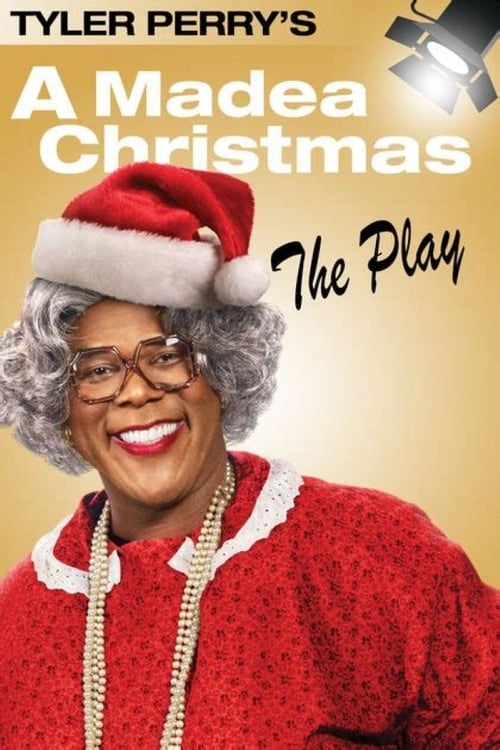
Tyler Perry's A Madea Christmas - The Play
2011
No user ratings available yet
Representation score: 4.0 out of 10

Representation Score
Limited
2010
Not RatedDirector
Tyler Perry
Runtime
153 minutes
Average Rating
No ratings yetNew Showbiz Analysis
The play excels in racial authenticity, centering Black identity and internal community dynamics without catering to an outside perspective. Madea serves as a powerful subversion of traditional gender roles, using assertive methods to resolve domestic conflicts. However, the work is deeply anchored in traditionalist social structures. It relies on conventional religious frameworks and straight-centered family models, which limits its progressive scope. Ultimately, the production is a culturally specific study of family reconciliation that prioritizes established moral values over social disruption.
Category Breakdown
The play focuses entirely on heterosexual and cisgender family structures. There is no depiction of same-sex relationships or non-binary gender identities.
The play centers on a strong female figure, Madea, who challenges traditional feminine roles through assertive conflict resolution. Male characters exist, but women's ability to drive the story drives the plot.
The production features a predominantly Black cast, offering an authentic exploration of African American familial experiences. It avoids the white gaze by focusing on internal community dynamics.
The narrative emphasizes Christian values and the importance of the nuclear family. It prioritizes the restoration of traditional family order over the critique of social institutions.
There are no prominent depictions of physical or neurodivergent disabilities that serve as central character traits or drive the narrative forward.
Present on Screen
Limited or Absent
Official Synopsis
Shirley has important news for her family, but she has five grown children with different lifestyles and finds it difficult to get them and the kids all together. So in steps Madea, the Matriarch General, to put the family's life in perspective with a hilarious twist on financial difficulties, drugs and, most important, family secrets. The next generation has a lot to learn. In her own way, Madea expresses how deliverance won't change you to be someone else, but will allow you to be who you really are.
2011

2008

2012

2005

2005

2013
2012
2002
No reviews yet. Be the first to share your thoughts on this movie!
Use the rating form above to leave a star rating and optional review.