Outlaws Don't Get Funerals
2019
No user ratings available yet
Diversity score: 3.2 out of 10
1996
RDirector
Scott P. Levy
Runtime
93 minutes
Average Rating
No ratings yetSynopsis
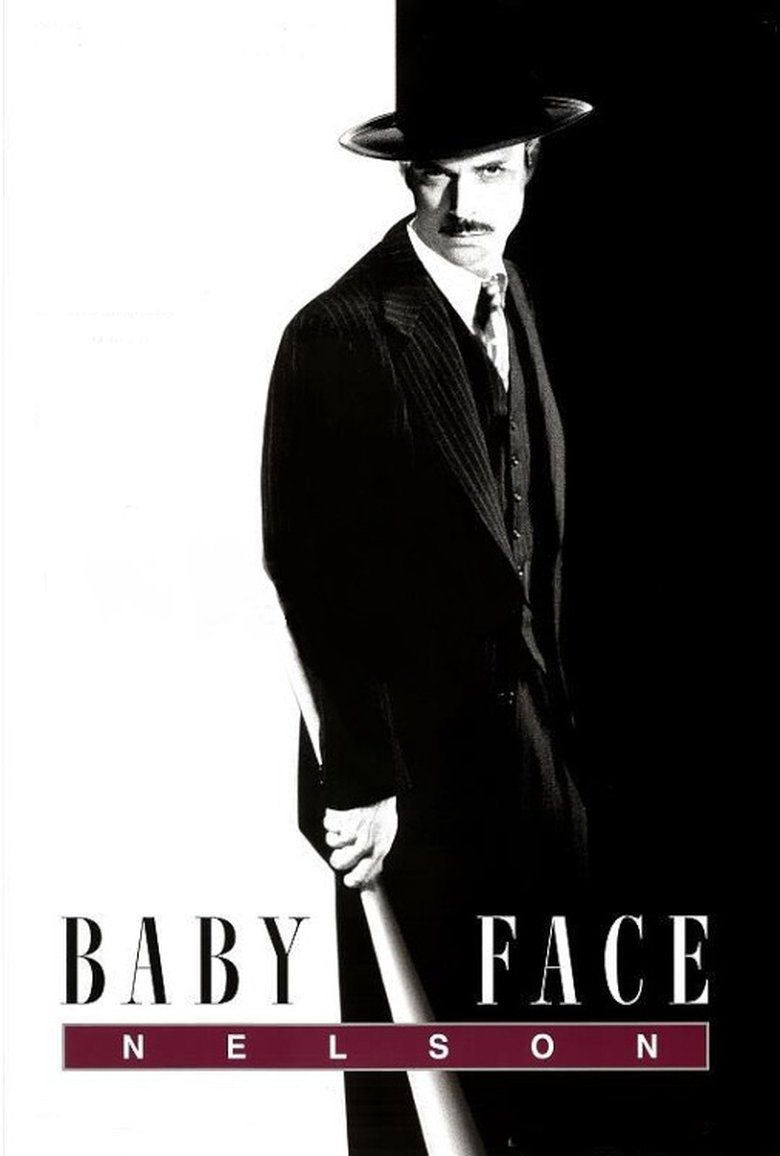
Bonnie and Clyde were no match for Depression Era gangster George "Babyface" Nelson and his moll Helen Womack. Constantly on the lam from the law and from Chicago's biggest crime lord Al Capone, Babyface and his female accomplice leave a trail of blood and bullets in their path towards making history.
Overall Score
Limited
Category Breakdown
LGBTQ+ Representation
The film centers entirely on a heteronormative partnership. There are no depictions of non-cisnormative identities or narratives that challenge traditional social structures.
Gender Representation
The story operates within a masculine framework of organized crime. While Helen Womack is a central accomplice, she largely fulfills the traditional gangster's moll trope.
Racial & Ethnic Diversity
The cast and central conflicts are predominantly Anglo-Saxon, reflecting the historical homogeneity of the era. No non-white characters are used to drive the central plot.
Religious & Cultural Diversity
The film depicts the lawlessness of the Great Depression era. However, it treats criminality as a genre staple rather than a structured critique of systemic oppression.
Disability Representation
There are no visible or invisible disabilities portrayed with agency. The narrative does not utilize neurodivergence or physical disability as a central element.
Strengths
Areas for Improvement
AI Analysis
Baby Face Nelson is a period crime drama that prioritizes historical genre tropes over social subversion. The narrative focuses on the violent, high-agency world of 1930s gangsters, adhering strictly to the social hierarchies of the era. The film lacks diversity in almost every category, presenting a homogeneous cast and conventional gender roles. While it captures the chaos of the Great Depression, it does so through individual criminality rather than an ideological critique of institutions. Ultimately, the film serves as a traditional crime narrative that mirrors the social constraints of its setting without attempting to expand or challenge them.
2019

2006
1977

2010

1970
1985
1957

2003

1972
1935
1935
2002
No reviews yet. Be the first to share your thoughts on this movie!
Use the rating form above to leave a star rating and optional review.