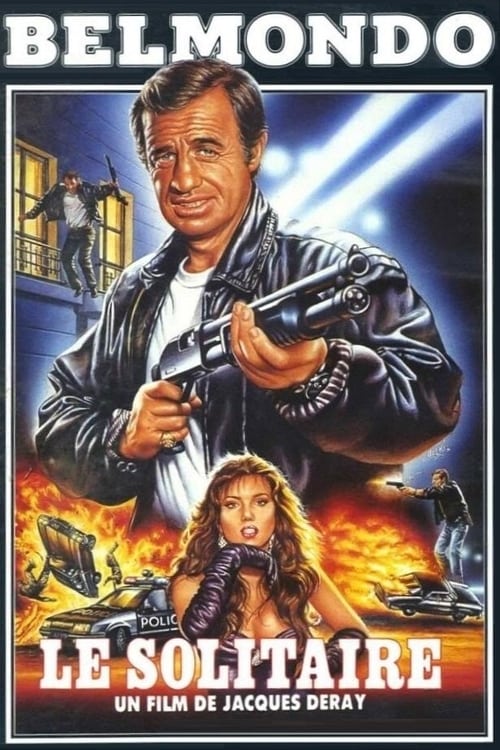
The Loner
1987
No user ratings available yet
Diversity score: 1.6 out of 10
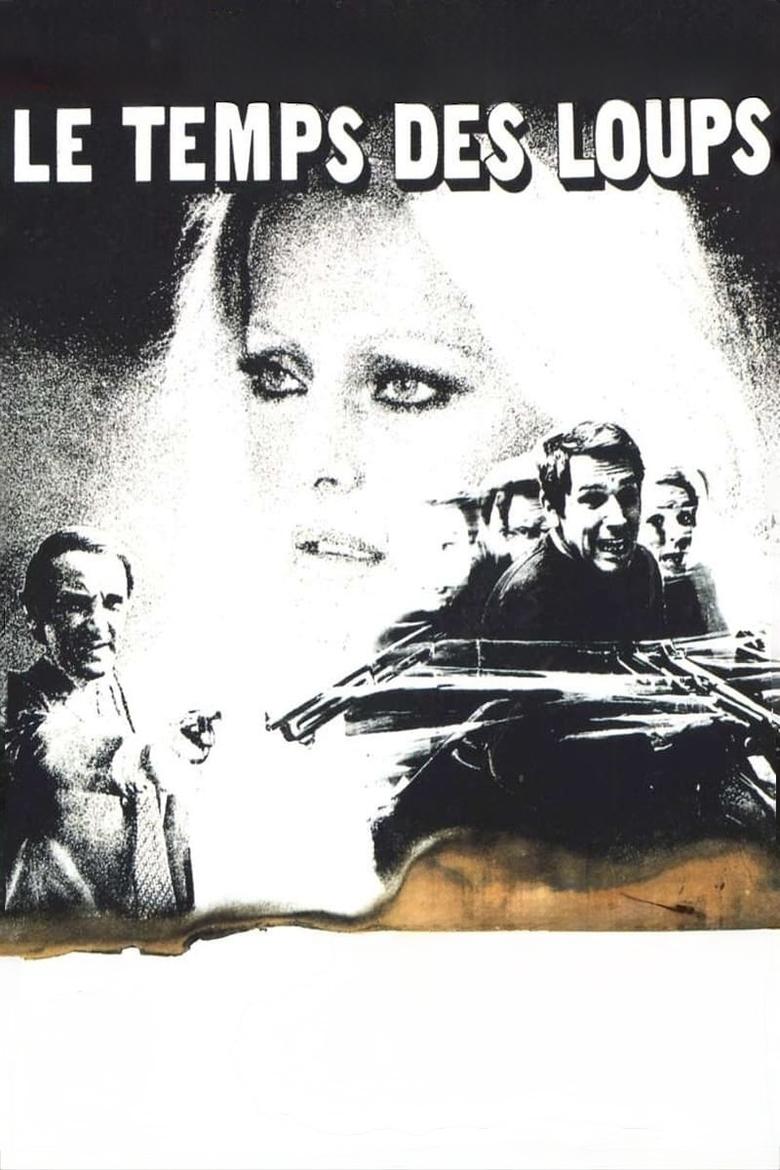
1970
PGDirector
Sergio Gobbi
Runtime
105 minutes
Average Rating
No ratings yetSynopsis
Patterning himself after the American gangster John Dillinger, the criminal (Robert Hossein) is tracked by the inspector (Charles Aznavour), a former childhood friend. Plenty of gunplay and psychology is used to trap the killer. His only tender moments are spent with his girlfriend Stella (Virna Lisi). Dillinger is cornered by the police and kills several innocent victims in a crowd during the shootout. The mob decides to take things into their own hands as they approach the doomed man with a noose when he runs out of bullets.
Overall Score
Limited
Category Breakdown
LGBTQ+ Representation
The film adheres to conventional romantic structures typical of 1970s crime dramas. It focuses on a traditional romantic dyad between the protagonist and Stella, with no non-cisnormative identities present.
Gender Representation
The narrative reinforces a masculine-driven plot where male characters drive the action. Stella serves primarily as an emotional anchor to humanize the protagonist rather than possessing independent agency.
Racial & Ethnic Diversity
The setting and cast reflect a predominantly Eurocentric milieu. There is no evidence of significant racial blending or the inclusion of non-white protagonists in this period piece.
Religious & Cultural Diversity
The film offers a nuanced critique of institutional authority. By depicting a mob taking justice into their own hands, it explores subjective morality over formal legal structures.
Disability Representation
The film provides no specific evidence regarding the inclusion of characters with physical or neurodivergent disabilities.
Strengths
Areas for Improvement
AI Analysis
Time of the Wolves is a psychological crime drama that prioritizes character tension over intersectional exploration. It operates within the demographic and social norms of 1970s European cinema, focusing on a male-centric conflict between a criminal and an inspector. While the film lacks diversity in terms of race and gender agency, it provides complexity through its deconstruction of state-sanctioned justice. The shift from legal authority to vigilante morality offers a sophisticated look at social order. Ultimately, the film remains tethered to traditional hierarchies, using its female lead as a tool for character development rather than a fully realized independent force.
1987
1976

1972
1973
1984
1996
1975
1972
No reviews yet. Be the first to share your thoughts on this movie!
Use the rating form above to leave a star rating and optional review.