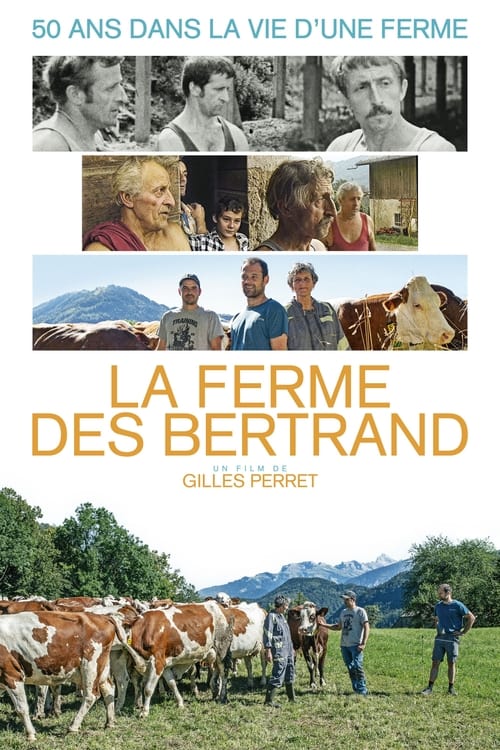
Bertrand's Farm
2024
No user ratings available yet
Representation score: 3.9 out of 10
Representation Score
Limited
2021
Director
Fabien Beziat, Agnès Poirier
Runtime
90 minutes
Average Rating
No ratings yetNew Showbiz Analysis
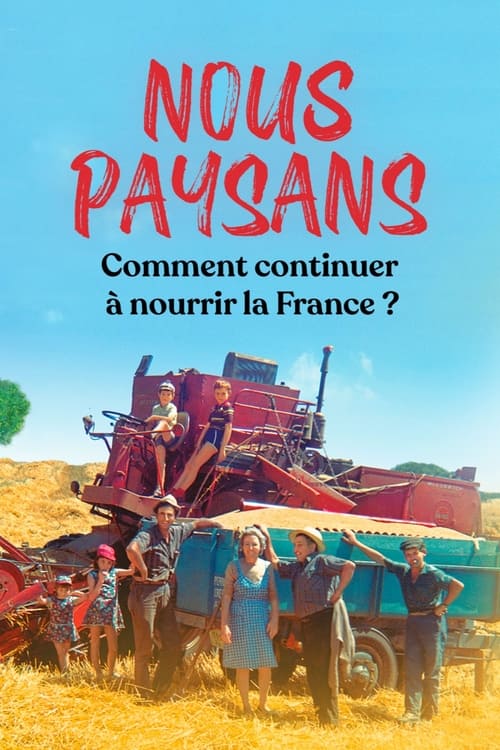
Nous paysans serves as a sociological inquiry into the evolution of the French working class. It traces the transition from early 20th-century tenant farming to modern industrial agriculture. The film's strength lies in its critique of systemic shifts and industrialization. However, the documentary lacks explicit representation of diverse identities. The historical focus on a specific domestic class results in a narrative that appears largely homogeneous in terms of race and gender. Ultimately, the film prioritizes class-based history over a diverse social tapestry, focusing instead on labor structures.
Category Breakdown
The film focuses on the historical and industrial evolution of the French peasantry. There is no explicit mention of LGBTQ+ characters or narratives exploring non-straight relationships.
The narrative centers on the peasant as a socio-economic class. It does not explicitly detail the gendered experience of agricultural labor, potentially focusing on traditional masculine roles.
The study focuses on French national identity through its agrarian history. This suggests a narrative centered on a historically homogeneous demographic within the French countryside.
The film critiques the industrial systems that disrupted traditional rural life. It offers a nuanced look at the peasant's role during the Occupation and the need for sustainable models.
There is no specific evidence regarding the portrayal of physical or neurodivergent disabilities. Any such representation would likely be incidental to the historical subjects' lived experiences.
Present on Screen
Limited or Absent
Official Synopsis
In barely a century, French peasants have seen their world profoundly turned upside down. While they once made up the vast majority of the country, today they are only a tiny minority and are faced with an immense challenge: to continue to feed France. From the figure of the simple tenant farmer described by Emile Guillaumin at the beginning of the 20th century to the heavy toll paid by peasants during the Great War, from the beginnings of mechanization in the inter-war period to the ambivalent figure of the peasant under the Occupation, From the unbridled race to industrialization in post-war France to the realization that it is now necessary to rethink the agricultural model and invent the agriculture of tomorrow, the film looks back at the long march of French peasants.
2024
2000
2017
2013
2008
2019
2005
2001
No reviews yet. Be the first to share your thoughts on this movie!
Use the rating form above to leave a star rating and optional review.