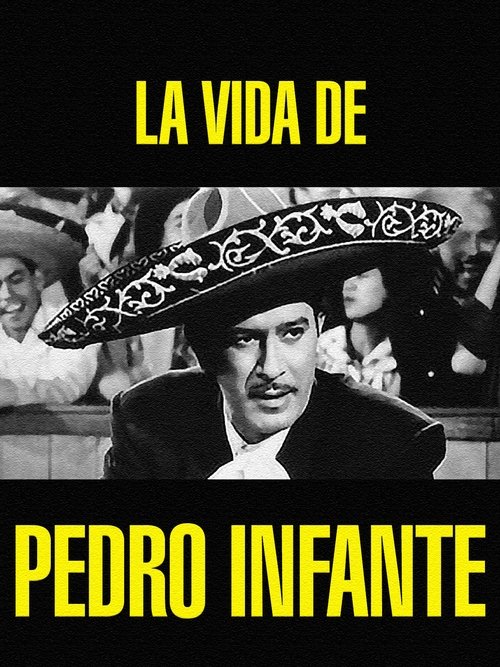
La vida de Pedro Infante
1966
No user ratings available yet
Representation score: 2.3 out of 10

Representation Score
Limited
1963
Director
Hugo del Carril
Runtime
100 minutes
Average Rating
No ratings yetNew Showbiz Analysis
Hugo del Carril’s film serves as a nostalgic and socioeconomic exploration of urban life in Argentina. It emphasizes the texture of neighborhood life and the cyclical nature of memory rather than challenging traditional power structures. The film remains true to its historical context, reflecting the social norms of 1960s Argentina. It does not aim to break down traditional hierarchies or meet current standards for diverse representation. Ultimately, the film’s strength lies in its portrayal of the working-class experience through the lens of social realism.
Category Breakdown
The film does not show any characters with non-traditional gender identities. Instead, it focuses on the traditional community structures of 1960s Argentina.
The film reflects traditional gender roles common in mid-20th century South America. Women are not shown in roles that challenge these traditional social expectations.
The film features a mostly white, working-class Argentine cast. While this fits the urban setting of the time, it lacks the layered representation expected today.
By using the carousel as a symbol of communal life, the film highlights the everyday experiences of ordinary people. It offers a detailed look at class dynamics.
There is no mention of physical or mental disabilities in the film's storyline or memory-driven structure.
Present on Screen
Limited or Absent
Official Synopsis
When listening to a melody, an old man recalls moments of his childhood.
1966
1983
1959
2006
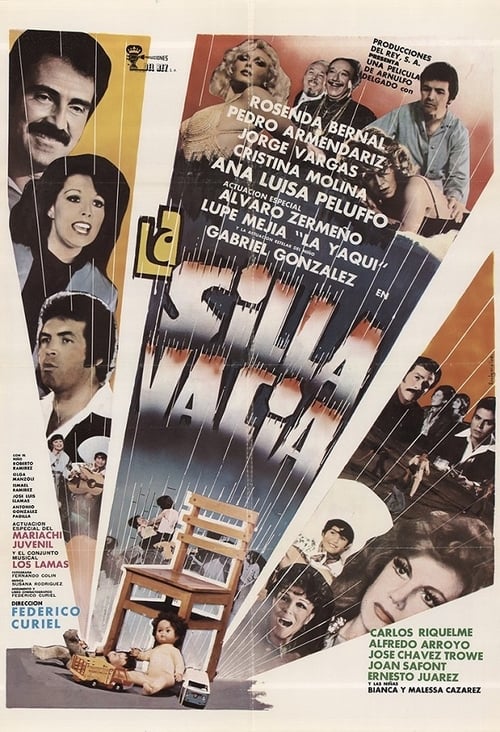
1984
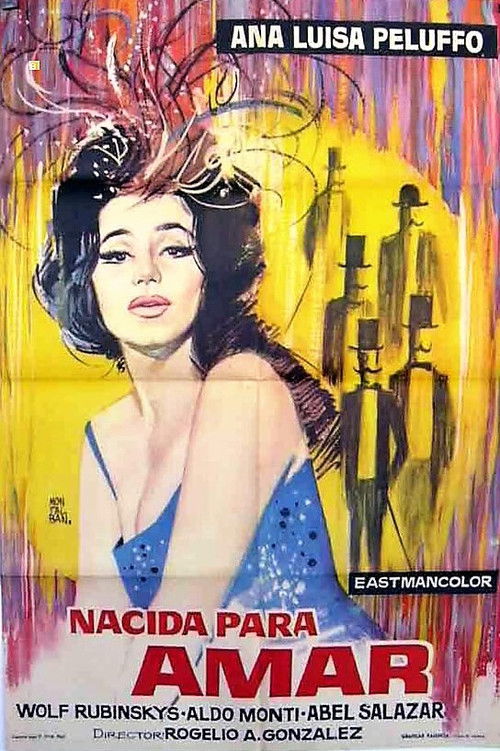
1959

1947
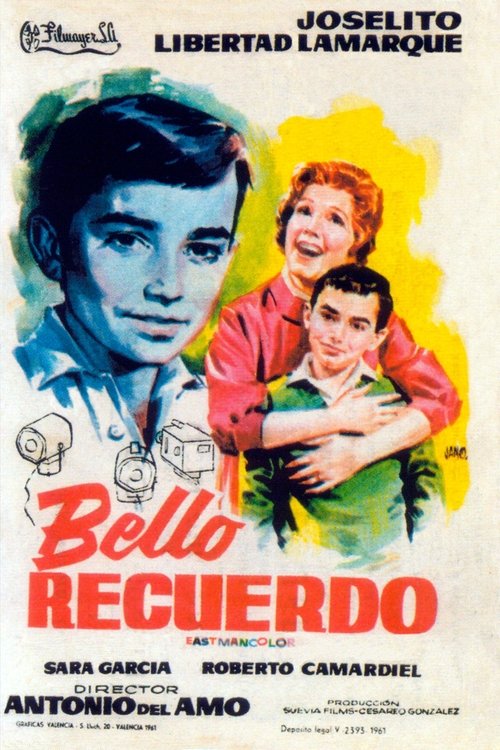
1961
No reviews yet. Be the first to share your thoughts on this movie!
Use the rating form above to leave a star rating and optional review.