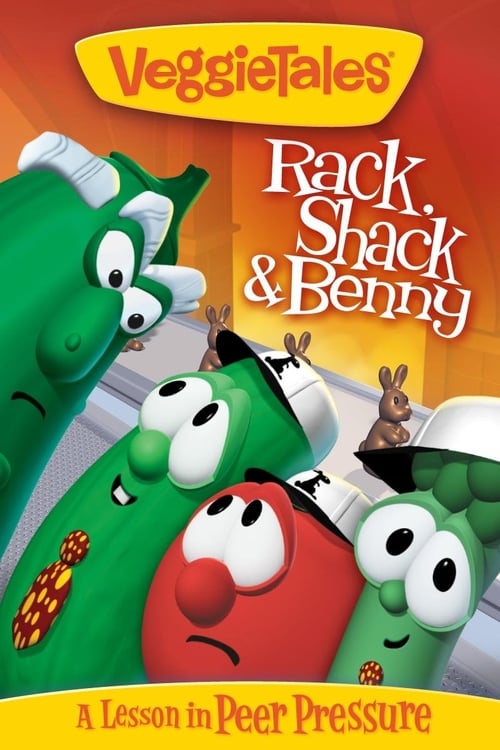
VeggieTales: Rack, Shack & Benny
1995
No user ratings available yet
Representation score: 2.4 out of 10
Representation Score
Minimal
1996
GDirector
Chris Olsen, Phil Vischer, Mike Nawrocki
Runtime
33 minutes
Average Rating
No ratings yetNew Showbiz Analysis
The film serves primarily as a tool for traditionalist religious instruction. By using anthropomorphic characters, the story sidesteps complex identity politics and avoids nuanced racial or ethnic representation. The narrative structure reinforces established social and spiritual hierarchies. It prioritizes a singular moral perspective that emphasizes obedience to authority and traditional values over progressive or multi-layered diversity. While the use of non-human characters avoids certain stereotypes, it also limits meaningful representation for underrepresented groups. The focus remains on reinforcing a specific faith-based worldview.
Category Breakdown
The film does not include any LGBTQ+ characters or explore queer themes. The world-building focuses on a traditional framework that ignores gender and sexual orientation.
The characters follow conventional gender roles typical of mid-90s children's media. Social dynamics emphasize individual utility and spiritual value, avoiding challenges to traditional gender hierarchies.
The anthropomorphic vegetable and object characters avoid racial and ethnic identifiers, creating a homogeneous social landscape without intentional characters who reflect more than one aspect of diversity.
The narrative centers on singular Christian morality and divine providence, positioning traditional Western religious values as the main moral compass.
The protagonist's journey symbolizes being overlooked and undervalued, but the film does not address disability or neurodivergence as lived experiences.
Present on Screen
Limited or Absent
Official Synopsis
Appearing in his own TV commercials, unscrupulous toy maker, Wally P. Nezzer has convinced all of Dinkletown that "Christmas is when you get stuff!" With the town's children begging for more toys, it's sure to be the worst Christmas ever -- until one brave little Buzz-Saw Louie doll decides to take matters into his own hands! The Toy That Saved Christmas reminds children of all ages that "Christmas isn't about getting; it's about giving.
1995
2002

2013

1997
1999
2010
1996

2001
No reviews yet. Be the first to share your thoughts on this movie!
Use the rating form above to leave a star rating and optional review.