Yo hice a Roque III
1980
No user ratings available yet
Representation score: 1.6 out of 10
Representation Score
Limited
1986
RDirector
William T. Naud
Runtime
90 minutes
Average Rating
No ratings yetNew Showbiz Analysis
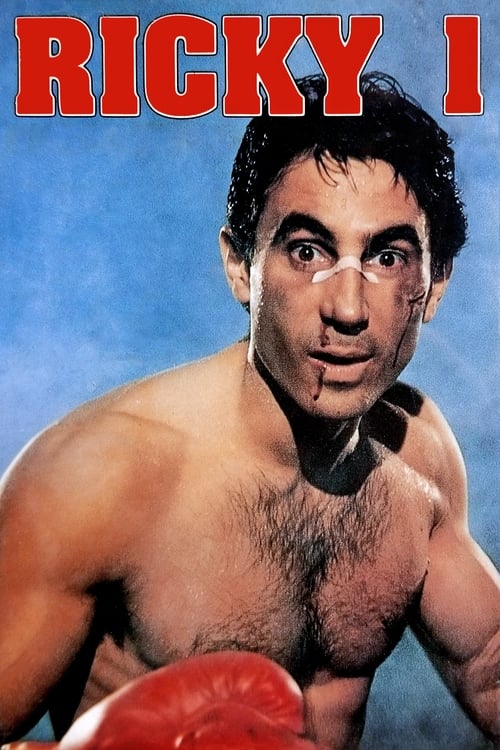
Ricky 1 primarily serves as a parody of the Rocky franchise, using a non-traditional protagonist to drive its comedic narrative. By focusing on a gigolo and stripper, the film moves away from the hyper-masculine archetypes typically found in boxing cinema. While the premise introduces elements of non-traditional masculinity, the film lacks multi-layered depth. The narrative seems to rely on comedic clichés rather than a deliberate critique of social hierarchies or identity-specific representation. Ultimately, the work lacks meaningful engagement with underrepresented groups or systemic subversion, resulting in a narrow, character-driven comedic focus.
Category Breakdown
The main character works as a gigolo and stripper, introducing themes of non-traditional masculinity. There is no explicit depiction of LGBTQ+ identities or same-sex relationships.
The film replaces the typical athlete with a sexualized performer, disrupting the traditional warrior archetype. It is unclear whether this challenges or ridicules gender roles.
No information is available about the racial makeup of the cast. There is no documentation of meaningful ethnic diversity.
The film focuses on a hedonistic lifestyle, suggesting a departure from traditional social structures. It is unclear if this offers a critique of Western values.
The story does not mention any characters with visible or invisible disabilities.
Present on Screen
Limited or Absent
Official Synopsis
In this parody of the Rocky films, Ricky Wanero is a male gigolo and stripper who sets out to beat "The Champ" in the boxing ring.
1980
1992
1980
1926
1974

2013
2004
1978
No reviews yet. Be the first to share your thoughts on this movie!
Use the rating form above to leave a star rating and optional review.