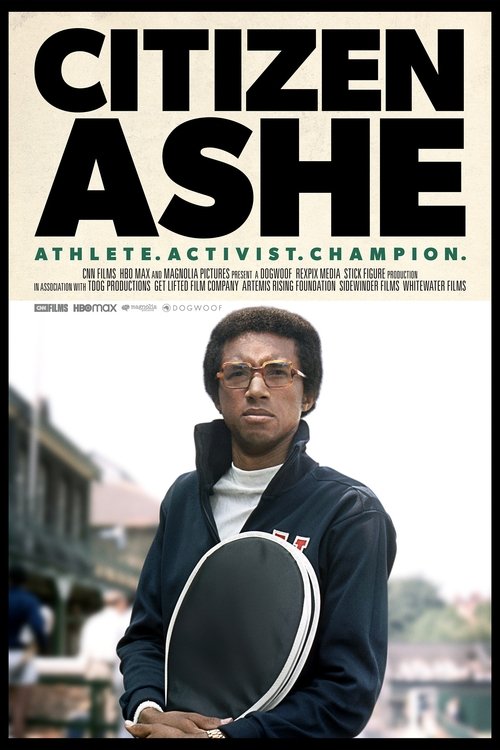
Citizen Ashe
2021
No user ratings available yet
Representation score: 8.3 out of 10
Representation Score
Fair
2013
TV-GDirector
Tate Donovan
Runtime
12 minutes
Average Rating
No ratings yetNew Showbiz Analysis
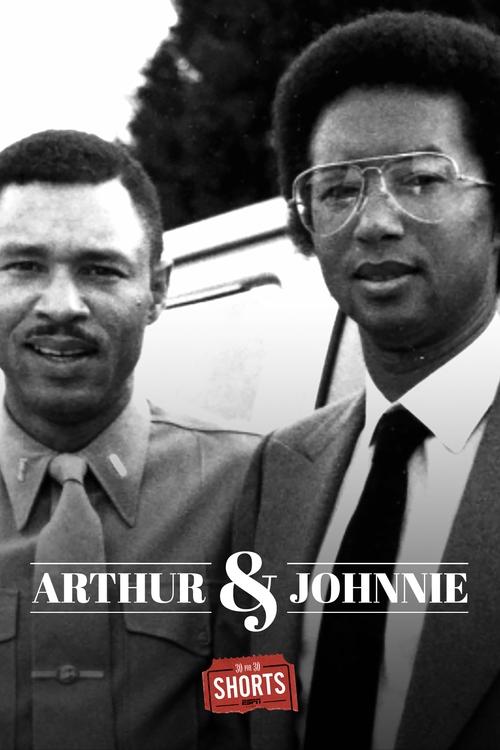
Arthur & Johnnie succeeds as a corrective historical account by centering the ability to act of a Black icon. By focusing on Arthur Ashe's professional excellence and his brother's selfless sacrifice, the film disrupts standard military narratives and emphasizes personal ethics over institutional mandates. The documentary effectively challenges the racial and social constraints of the era, particularly through the lens of professional tennis and military hierarchy. This focus provides a sophisticated layer to the historical record of Black achievement. However, the film's scope is narrow, operating primarily within male-dominated environments. The absence of women's ability to drive the story and explicit LGBTQ+ identities prevents a higher overall diversity score, despite the nuanced portrayal of male vulnerability.
Category Breakdown
The film explores deep, selfless male intimacy through the fraternal bond of the Ashe brothers. While it lacks explicit queer identities, it offers a nuanced look at male vulnerability and the subversion of traditional toughness.
The narrative centers on Arthur Ashe's intellect and talent within male-dominated spheres like the military and tennis. However, the score is limited by a lack of female character's ability to drive the story in this biographical account.
The documentary provides actively leading representation of Arthur Ashe, a Black icon navigating systemic pressures. It highlights his rise in a white-dominated sport and challenges the racial constraints of his era.
The film critiques systemic structures by framing military service as an obstacle to personal progress. It prioritizes familial loyalty and individual legacy over traditional patriotic duty to the state.
There are no visible or invisible disabilities portrayed as central to the narrative arc of this documentary.
Present on Screen
Limited or Absent
Official Synopsis
In this exclusive first person account, Johnnie Ashe will relay this previously unknown chapter of his brother Arthur's legacy. Johnnie, five years Arthur's junior, returned from his first tour in Vietnam with the Marines. At the time, Arthur Ashe was a lieutenant in the Army working at West Point in data processing while fast becoming a rising star in the tennis world. When Johnnie was sent home however, Arthur suddenly became in danger of being sent to Vietnam. Johnnie volunteered to be sent back to the war in his brother's place so that Arthur could continue his budding tennis career. Johnnie would return home, and Arthur would go on to win the inaugural 1968 U.S. Open en route to a Hall of Fame career in tennis, made possible by his brother's selflessness.
2021
2016

2012

2023

2003

2022
2022

2017
No reviews yet. Be the first to share your thoughts on this movie!
Use the rating form above to leave a star rating and optional review.