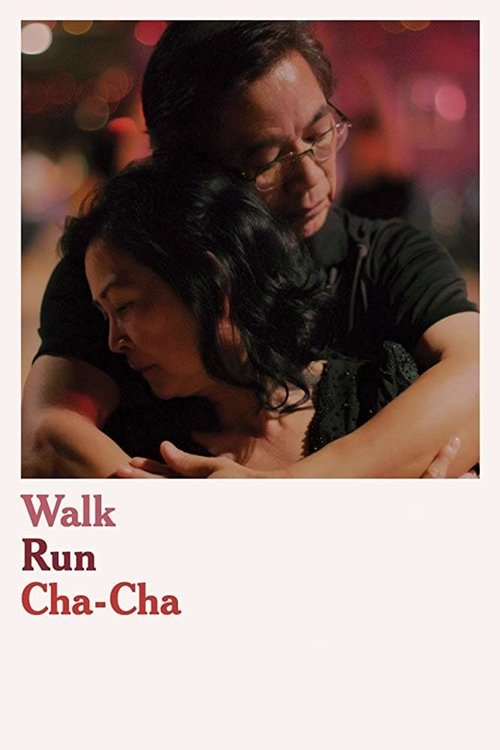
Walk Run Cha-Cha
2019
No user ratings available yet
Diversity score: 6.8 out of 10

2017
NRDirector
Nicholas Schrunk
Runtime
96 minutes
Average Rating
No ratings yetSynopsis
Blood Road follows the journey of ultra-endurance mountain bike athlete Rebecca Rusch and her Vietnamese riding partner, Huyen Nguyen, as they pedal 1,200 miles along the infamous Ho Chi Minh Trail through the dense jungles of Vietnam, Laos, and Cambodia. Their goal: to reach the site where Rebecca’s father, a U.S. Air Force pilot, was shot down in Laos more than 40 years earlier.
Overall Score
Good
Category Breakdown
LGBTQ+ Representation
The film does not explicitly center LGBTQ+ identities or romantic narratives. The focus remains on the platonic, professional, and athletic bond between the two leads.
Gender Representation
Rebecca Rusch disrupts conventional hierarchies by centering a female protagonist in a high-intensity athletic setting. The partnership emphasizes female competence and mutual reliance in a rugged environment.
Racial & Ethnic Diversity
The narrative excels in depicting racial synergy through a high-agency partnership between a Westerner and a Vietnamese partner. It avoids the white savior archetype by granting Huyen Nguyen significant expertise.
Religious & Cultural Diversity
The film engages with post-colonial themes by revisiting historical conflict sites through a lens of reconciliation. It prioritizes personal morality over grand geopolitical narratives.
Disability Representation
There are no prominent depictions of visible or invisible disabilities that drive the narrative.
Strengths
Areas for Improvement
AI Analysis
Blood Road succeeds by subverting the traditional 'explorer' archetype, replacing it with a collaborative, cross-cultural partnership. The film moves beyond Western-centric adventure tropes to explore the intersection of personal memory and historical trauma. The strength of the documentary lies in its racial and gender dynamics. By centering a female athlete and her Vietnamese partner, the film challenges the male-dominated narratives of extreme sports and avoids the white savior trope. While the film lacks explicit LGBTQ+ or disability representation, its nuanced handling of Southeast Asian identity and post-colonial landscapes provides a sophisticated, intersectional perspective on history.
2019

2017
2016
1999
2018
2018
2018
1997
2007

2018
2021
2019
No reviews yet. Be the first to share your thoughts on this movie!
Use the rating form above to leave a star rating and optional review.