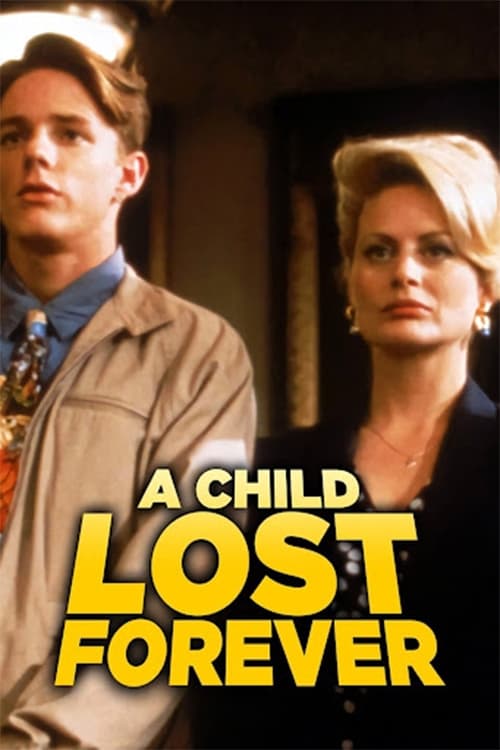
A Child Lost Forever: The Jerry Sherwood Story
1992
No user ratings available yet
Representation score: 7.2 out of 10
Representation Score
Limited
1994
PGDirector
John Gray
Runtime
99 minutes
Average Rating
No ratings yetNew Showbiz Analysis
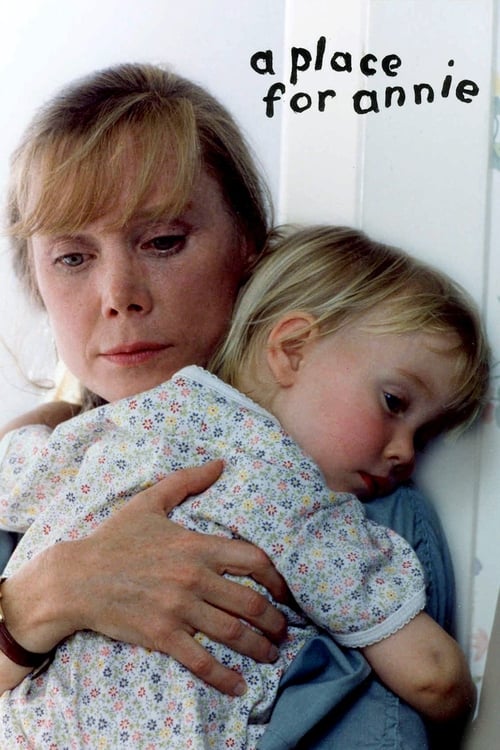
A Place for Annie is a sentimental domestic drama that prioritizes individual emotional arcs over systemic social critique. It succeeds in providing meaningful visibility for a child living with a chronic medical condition, moving beyond mere including someone from a minority group without giving them real depth by making the disability central to the protagonist's role. However, the film remains tethered to the conventional standards of 1990s television. It relies on homogeneous casting and traditional moral frameworks that reinforce existing social structures rather than challenging them. Ultimately, while the film offers a compassionate look at medical crisis and foster care, its adherence to traditional family dynamics and lack of diverse representation limits its broader social impact.
Category Breakdown
The film does not include any representation of gender identities outside the binary. It focuses solely on conventional family structures based on biological and legal ties.
Female characters play a key role in driving the emotional storyline through caretaking and nurturing. However, these roles stay within traditional domestic frameworks without challenging gender hierarchies.
The production follows a homogeneous casting pattern typical of mid-90s dramas. There is no evidence of significant racial blending or diverse casting to challenge social norms.
The narrative emphasizes traditional Western values regarding family and social responsibility. It prioritizes individual compassion and the sanctity of caregiver bonds over institutional critique.
Annie’s HIV-positive status serves as the central catalyst for the film's conflict. The story provides visibility into the lived reality of a child with a chronic condition.
Present on Screen
Limited or Absent
Official Synopsis
Baby Annie is HIV positive and has been left in the clinic by her drug addicted mother. To prevent her from being placed in a home where they'd just wait for her to die, nurse Susan takes charge of Annie at her home. Two years later, she plans to adopt her -- but suddenly Annie's mother reappears and demands her back. And under the law, Susan, as foster-mother, has no claim to the child.
1992
1995

2021
1989
1995
2018

2021

2012
No reviews yet. Be the first to share your thoughts on this movie!
Use the rating form above to leave a star rating and optional review.