Fais danser la poussière
2010
No user ratings available yet
Diversity score: 3.6 out of 10
1997
Director
Christian Faure
Runtime
92 minutes
Average Rating
No ratings yetSynopsis
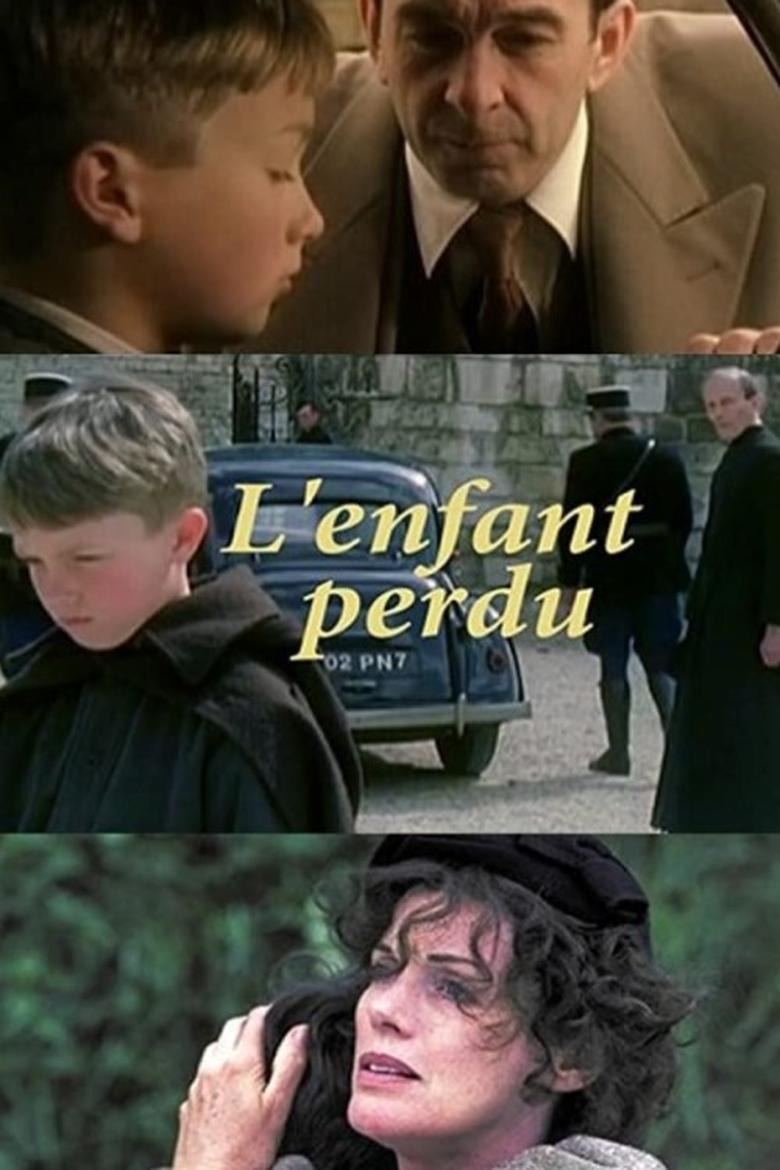
Pierre Neuville returns home to find his son. He meets André, a boy with some similarities.. But chance suddenly brings him face-to-face with his true son, an overly sensitive youth with a strong attachment to his foster mother.
Overall Score
Limited
Category Breakdown
LGBTQ+ Representation
The film lacks visible queer romantic arcs or non-cisnormative identities. The narrative focuses on heteronormative structures of fatherhood and fosterage.
Gender Representation
The story centers on male-driven emotional journeys between a father and son. While a foster mother is mentioned, the film follows conventional dramatic gender archetypes.
Racial & Ethnic Diversity
The setting and character names suggest a homogeneous European social environment. There is no indication of a multi-ethnic cast or diverse casting strategies.
Religious & Cultural Diversity
The film explores the disruption of the nuclear family through personal sentiment. It focuses on domestic realism rather than a systemic critique of Western institutions.
Disability Representation
A youth is described as 'overly sensitive,' which may hint at psychological vulnerability. However, there is no clear evidence of intentional disability advocacy.
Strengths
Areas for Improvement
AI Analysis
L'enfant perdu is a traditional domestic drama that prioritizes individual emotional arcs over sociopolitical critique. The narrative architecture adheres to the storytelling conventions of late 1990s European television, focusing on kinship and parental loss. The film operates within established social norms, offering little disruption to traditional power dynamics or intersectional identities. It functions as a character-driven study of reconciliation rather than a vehicle for progressive representation. While the film explores the complexities of fosterage, it does so through a lens of personal sentiment. It lacks the intentionality required to engage with broader themes of racial, gender, or queer diversity.
2010
2000

1981
2021

2014

2021

1996

2017
1994

2017

2019

1989
No reviews yet. Be the first to share your thoughts on this movie!
Use the rating form above to leave a star rating and optional review.